
Botswana Partners with Dubai to Broaden Economic Ventures
Botswana’s Economy: The Impact of Lab-Grown Diamonds
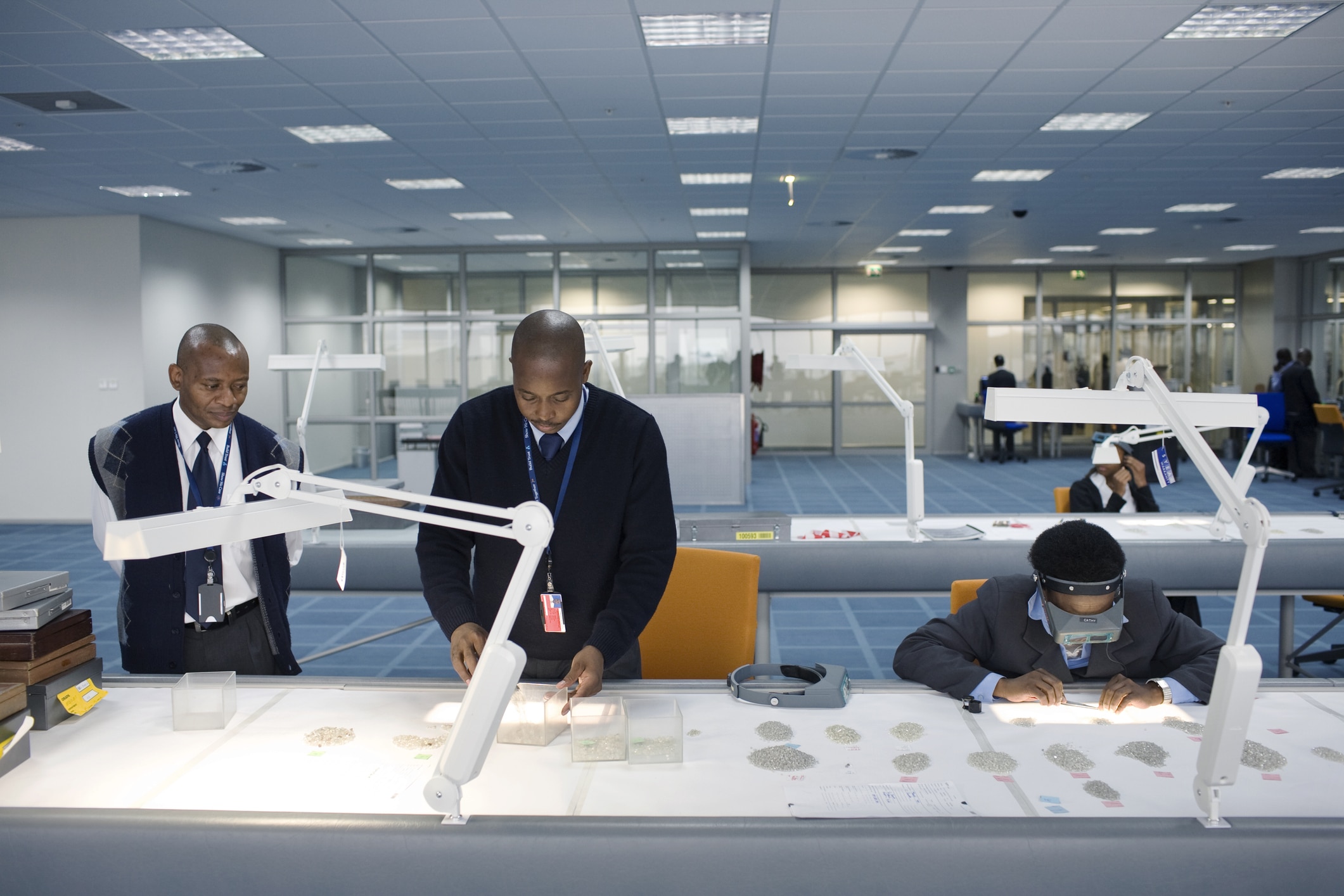
Botswana has long been a powerhouse in the diamond mining sector, with these precious stones accounting for more than 80% of the country’s exports. However, the landscape is changing. The emergence of lab-grown diamonds has dramatically altered the diamond market, threatening Botswana’s traditional revenue streams. This shift is emblematic of the risks associated with relying heavily on a single commodity and showcases the economic vulnerabilities that can arise from such dependence. In light of these challenges, innovative solutions and strategic initiatives are essential for the nation to navigate this transition.
The Rise of Lab-Grown Diamonds
In recent years, lab-grown diamonds have gained significant popularity as consumers become more environmentally conscious and price-sensitive. These synthetic gems are not only more affordable but also offer a more sustainable option compared to their natural counterparts. As a result, the demand for traditional diamonds has begun to decline, prompting concerns for countries like Botswana that have relied extensively on diamond mining as a key economic driver. This shift has led to a reevaluation of Botswana’s economic strategies and the need for diversification beyond the diamond industry.
The Economic Vulnerability of Monolithic Trade
The situation in Botswana underscores the broader risks of a monolithic trade structure, where a nation’s economy is heavily reliant on a single commodity. When global trends fluctuate, the consequences can be dire. For Botswana, the decreasing value of diamonds in the wake of rising lab-grown alternatives presents a clear challenge. The country’s heavy dependence on diamond exports highlights the urgent need for economic diversification to mitigate risks associated with such vulnerabilities. Without a broader economic base, Botswana risks facing severe economic downturns in response to changes in market dynamics.
Strategic Responses and Future Opportunities
In response to these economic challenges, the Botswana Mercantile Exchange has emerged as a potential game-changer. As a wholly owned subsidiary of the Botswana government, the Exchange seeks to bolster the local economy and provide alternatives to dependency on diamond trading. By introducing a range of commodities and financial instruments, the Exchange aims to create a more stable economic environment for Botswana. This initiative could help attract investments and promote trade in various sectors, paving the way for a more resilient economic framework.
Conclusion: A Path Forward for Botswana
Navigating the transition from traditional diamond reliance to a more diversified economy presents both challenges and opportunities for Botswana. The rise of lab-grown diamonds serves as a crucial reminder of the necessity for economic adaptability. By embracing strategic initiatives like the Botswana Mercantile Exchange, the nation can begin to shift towards a sustainable economic future. As it stands, Botswana has the potential to leverage its existing resources while exploring new avenues for growth, ensuring that it remains competitive in an evolving global marketplace. Embracing diversity in trade will be key to safeguarding its economic future.