
UAE-BRICS Non-Oil Trade Exceeds $312 Billion
Strengthening Trade Ties: UAE’s Role in BRICS Cooperation
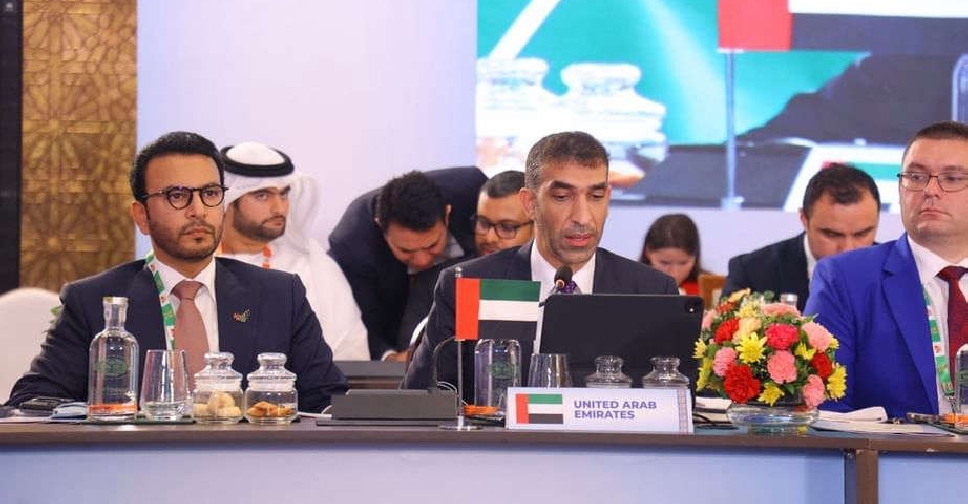
The UAE is actively engaging in global trade discussions, as evidenced by the recent participation of Minister of Foreign Trade, Dr. Thani bin Ahmed Al Zeyoudi, in the BRICS trade ministers’ meeting held in Jaipur, India. This significant event aims to bolster economic partnerships and trade relations among BRICS nations, which include Brazil, Russia, India, China, and South Africa.
Focus on Economic Cooperation
The BRICS meeting highlighted the importance of enhancing economic collaboration among its member states. In a world increasingly defined by globalization, countries within this coalition recognize the necessity of fostering partnerships that can drive sustainable growth. By 2030, BRICS nations aspire to create a global economic environment that supports mutual interests and facilitates trade. Dr. Al Zeyoudi’s involvement underscores the UAE’s commitment to leveraging opportunities within this diverse economic landscape.
Additionally, the UAE has positioned itself as a vital trade hub in the MENA region. With its strategic geographical location and advanced infrastructure, it serves as a gateway for goods and services flowing between East and West. This initiative aligns perfectly with BRICS’s objective of diversifying economic growth and enhancing market accessibility among member states. Countries like the UAE are set to play an instrumental role in this evolving economic paradigm.
Enhancing Multilateral Trade Agreements
One of the primary focuses of the BRICS meeting was the exploration of new trade agreements aimed at increasing trade flows among member nations. Minister Al Zeyoudi emphasized the need for collaborative frameworks that can simplify trade processes and reduce barriers. Such agreements are crucial in an era where global trade dynamics are constantly changing.
The UAE is no stranger to multilateral trade agreements. Its existing partnerships with various countries position it uniquely to lead discussions on new trade frameworks. By advocating for policies that support economic diversification and innovation, the UAE aims to create a robust trading environment within the BRICS coalition and beyond.
Future Prospects and Initiatives
Looking ahead, the UAE is keen on nurturing relationships that can stimulate economic growth and foster innovation across BRICS nations. The meeting in Jaipur is just the beginning of ongoing discussions about future initiatives. Sustainable development, technology transfer, and green trade practices are among the topics that the UAE is likely to advocate for in future sessions.
Moreover, collaboration in sectors like renewable energy, technology, and logistics will be pivotal as BRICS aims for a more sustainable economic model. The UAE’s investment in these sectors, along with its expertise, can significantly benefit member countries seeking growth and sustainability.
In conclusion, as Dr. Thani bin Ahmed Al Zeyoudi participates in these crucial discussions, it is clear that the UAE is poised to play a transformative role in BRICS economic cooperation. By fostering multilateral trade agreements and promoting innovative initiatives, the UAE seeks to strengthen its position as a leader in global trade and develop mutually beneficial relationships with BRICS nations. The potential for collaborative growth in the coming years is immense, setting the stage for a prosperous future.