
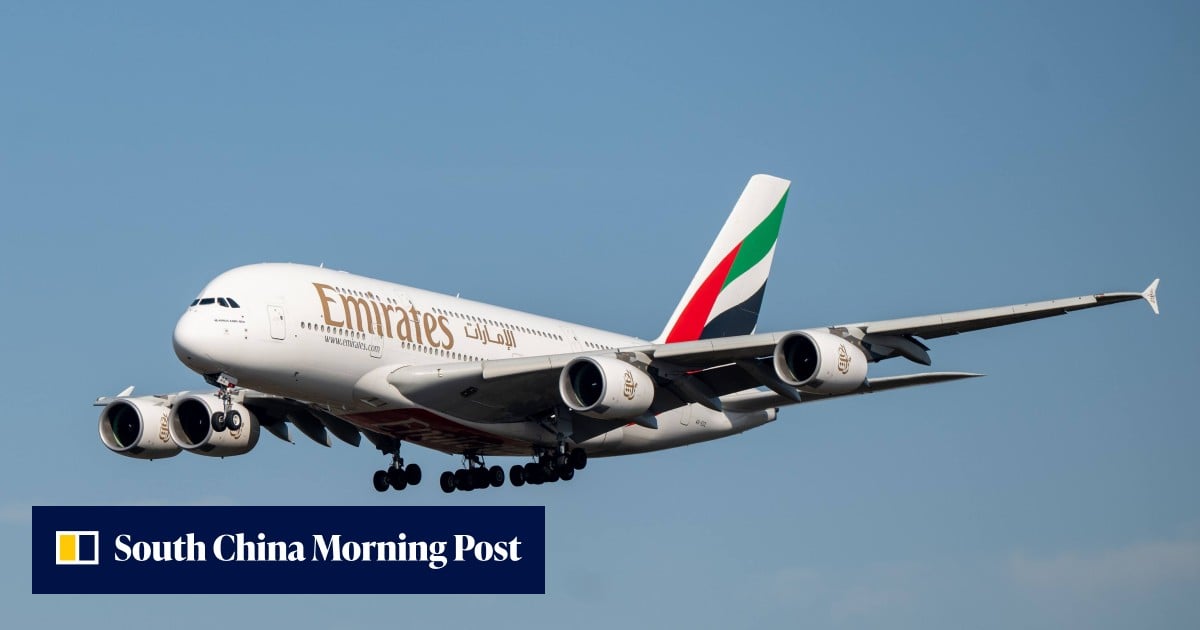
Flight to China on A380 turns into 10-hour nightmare.
In recent times, Chinese airports have been eager to expand their intercontinental services, and the arrival of widebody aircraft from renowned airlines serves as a significant milestone. However, the recent landing of an Emirates Airbus A380 at Hangzhou Xiaoshan International Airport turned into a challenging experience for all involved, highlighting the complexities of managing international flights.
Unexpected Challenges at Hangzhou Airport
The Emirates flight, which carried 373 people, transformed into a lengthy ordeal that lasted nearly 10 hours. This incident not only created considerable inconvenience for passengers but also posed significant logistical challenges for the airline and the airport. With mechanical issues and operational disruptions, both parties faced substantial financial repercussions and reputational damage.
The episode was largely initiated due to adverse weather conditions at Shanghai Pudong International Airport. Emirates Flight EK302, which had departed from Dubai, was originally slated to arrive in Shanghai in the evening. However, upon nearing its destination after approximately seven hours in the air, the aircraft had to divert to Hangzhou due to thundery weather that rendered landing at Pudong too risky.
Hours of Waiting and Stranded Passengers
Passengers aboard the Emirates flight found themselves in an incredibly frustrating predicament. After an exhausting 17-hour journey—where the time spent on the ground at Hangzhou exceeded the actual flight duration from Dubai—they were eager to disembark and clear immigration. Unfortunately, they remained on the tarmac, waiting for updates and guidance.
Initially, the Emirates crew hoped that the weather at Pudong would improve enough to allow for a safe landing. As a result, they did not inform Hangzhou officials to initiate immigration protocols until it became clear that they would be unable to proceed to Shanghai. This delay not only added hours to the passengers’ wait time but also stressed the need for improved communication protocols during unforeseen circumstances.
The Implications for International Travel
This incident serves as a stark reminder of the challenges involved in international air travel, particularly in regions prone to unpredictable weather. Airports and airlines must be better prepared to handle emergencies, ensuring that they have protocols in place to swiftly address such situations. The reputational impact on both Emirates and Hangzhou’s airport could linger, especially considering the high expectations that passengers have when flying on long-haul routes.
As regional airports strive to attract more international flights, they must prioritize efficient operations and customer service, particularly in handling unexpected diversions. The stakes are high, as a single incident can lead to significant financial losses and diminish the reputation of destinations vying for global travelers.
In the end, while the arrival of larger aircraft symbolizes progress for Chinese airports, it also underscores the necessity for strategic operational improvements. The Emirates A380 incident is not merely a cautionary tale but a call to action for better management and communication protocols to enhance the flying experience for passengers in the future.