
Raj Thackeray Questions Vivek Oberoi and R Madhavan on Dubai Settlement
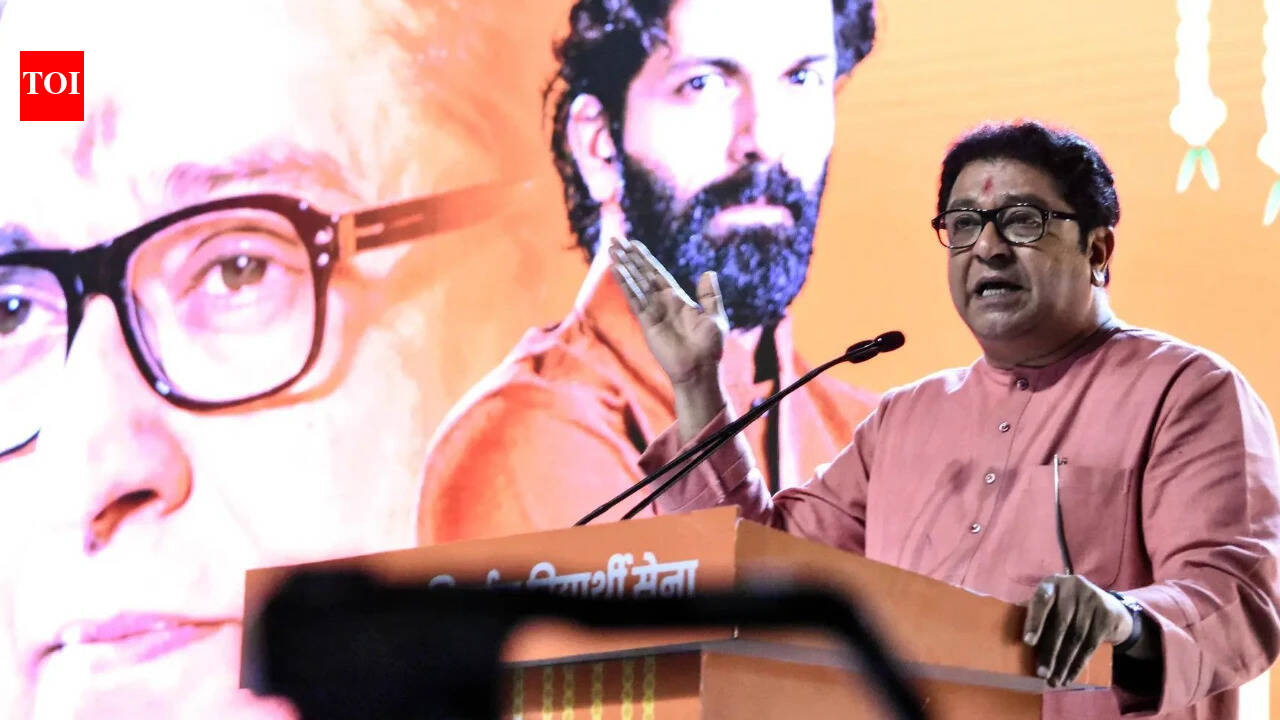
Maharashtra Navnirman Sena (MNS) leader Raj Thackeray has recently voiced strong criticism against notable figures who publicly endorse Prime Minister Narendra Modi and the current BJP government while residing abroad. At a rally celebrating the 20th anniversary of the Maharashtra Navnirman Vidyarthi Sena in Mumbai, he questioned the validity of their claims regarding India’s progress under the Modi administration. By targeting actors like Vivek Oberoi and R. Madhavan, Thackeray highlighted a growing dissatisfaction among India’s youth regarding living conditions and opportunities in the country.
Critique of NRI Support for Government
Thackeray’s comments focus on a perceived hypocrisy among those who extol the government’s achievements while choosing to live outside of India. For instance, he pointed out that although Oberoi portrayed Modi in a film and Madhavan often lauds the government’s efforts, both have opted for life in Dubai. This contradiction raises questions about their genuine belief in the country’s advancement. Thackeray challenged them directly: if life is indeed so improved, why not contribute to India’s growth by living and working here?
The concern extends beyond celebrities to include industrialists who are also relocating to foreign countries. This trend indicates a deeper crisis of confidence in Indian cities and the quality of life they offer. Thackeray emphasized that the promise of “Smart Cities” has not materialized, leading to a sense of disillusionment among young professionals. Many feel they have no choice but to leave in search of better living conditions and opportunities.
The Fallout of Migration and Youth Discontent
The departure of skilled professionals and entrepreneurs points to a broader issue: urban centers failing to meet the aspirations of their residents. Thackeray lamented the degradation of infrastructure and public amenities, asserting that Indian cities lack the resources and environment that attract the youth to foreign lands. Reports of deteriorating facilities and insufficient recreational activities heighten the allure of life abroad.
In addition to addressing migration, Thackeray weighed in on the criticism directed at Prime Minister Modi concerning abusive online comments. He acknowledged that such language is unacceptable but simultaneously accused the BJP of fostering a culture of trolling and harassment. By citing instances of vitriol directed at well-known figures, including leaders from India’s political past, he underscored a pervasive issue that should not be overlooked.
Wider Issues Beyond the NEET Protests
Thackeray also emphasized that recent protests among student groups should not be merely attributed to the controversy surrounding the NEET examination. Instead, he urged observers to consider broader societal concerns, including high unemployment rates, corruption, and diminishing opportunities for the youth. Failing to address these pressing issues could lead to further unrest as frustrations continue to simmer beneath the surface.
In closing, Thackeray invoked the philosophy of Osho, arguing that the youth should not be blamed for the failures of the existing societal framework. He urged members of the Maharashtra Navnirman Vidyarthi Sena to engage deeply with the aspirations and worries of both urban and rural youths in Maharashtra, emphasizing the need for a movement that genuinely reflects the realities of their lives. As India navigates its complexities, understanding and addressing the voices of the younger generation will be crucial for future growth and development.