
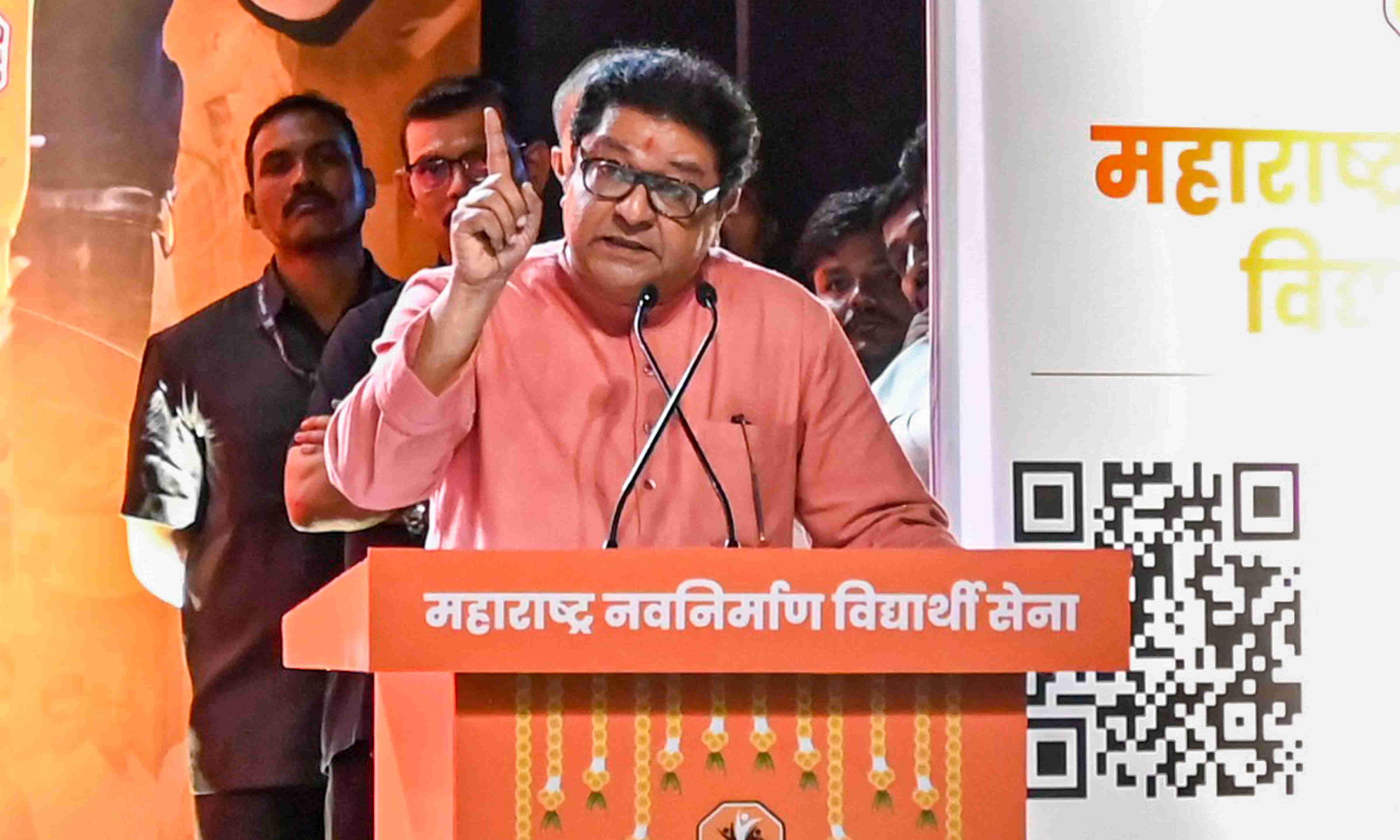
Raj Thackeray criticizes Madhavan, Vivek Oberoi for praising govt: ‘Why reside in Dubai?’
Maharashtra Navnirman Sena (MNS) leader Raj Thackeray recently voiced his concerns regarding the living choices of prominent actors Vivek Oberoi and R. Madhavan. During an event hosted by the Maharashtra Navnirman Vidyarthi Sena in Mumbai, he raised questions about their decisions to reside in Dubai while publicly endorsing Prime Minister Narendra Modi and his administration.
Questioning Commitment to India
Thackeray pointedly remarked that individuals who advocate for India’s progress under the Modi government should clarify their preference for living abroad. He specifically mentioned Vivek Oberoi, who portrayed Modi in the biopic “PM Narendra Modi,” and noted that Oberoi has chosen to settle in Dubai. Similarly, he questioned Madhavan’s residency outside India, emphasizing that if he believes in the improvements taking place in the country, relocating seems inconsistent with such sentiments.
“If India is thriving and on the fast track to development, what compels these actors to make Dubai their home?” Thackeray inquired. He underscored that many celebrities return to India solely for film projects sponsored by the government before returning overseas.
While both actors have rationalized their choices, Madhavan cited the need to support his son’s swimming career during the Covid-19 pandemic as his reason for moving to Dubai. Oberoi has indicated that his relocation was primarily for expanding his entrepreneurial ventures.
Comments on Political Discourse and Abuse
In addition to targeting the actors’ living arrangements, Thackeray also addressed recent controversies concerning derogatory language aimed at Prime Minister Modi. He referenced incidents during protests led by the Cockroach Janta Party at Delhi’s Jantar Mantar, which sparked debate about the appropriateness of such language.
Thackeray expressed agreement with Modi’s call for restraint, condemning the use of abusive remarks against the Prime Minister. Nevertheless, he urged that the same standards should be applied to members and supporters of the BJP, emphasizing that critiques should not be one-sided. “I acknowledge that offensive language is unacceptable. However, the Prime Minister must also instruct his party members to refrain from such behavior,” he stated.
The MNS chief contended that online supporters of the BJP have routinely targeted various political figures, including historical leaders such as Mahatma Gandhi and Jawaharlal Nehru, as well as members of the Thackeray family. He argued that the prevalence of trolling has led many actors to shy away from publicly expressing their political views.
The Impact of Trolling on Political Dialogue
Thackeray attributed the coarsening of political discourse in India to the growing troll culture fostered by BJP supporters. He explained that the negative environment on social media deters many public figures from engaging openly in political discussions. “As you sow, so shall you reap,” he remarked, pointing out that the repercussions of this toxic trolling culture are visible in the overall tone of political conversations in the country.
In summary, Thackeray’s recent comments highlight a growing concern about the accountability of public figures and the need for a respectful dialogue in political discourse. As the narrative continues to unfold, the implications of celebrities’ choices and the tone of political communication will remain critical areas of focus for both the public and influencers alike.