
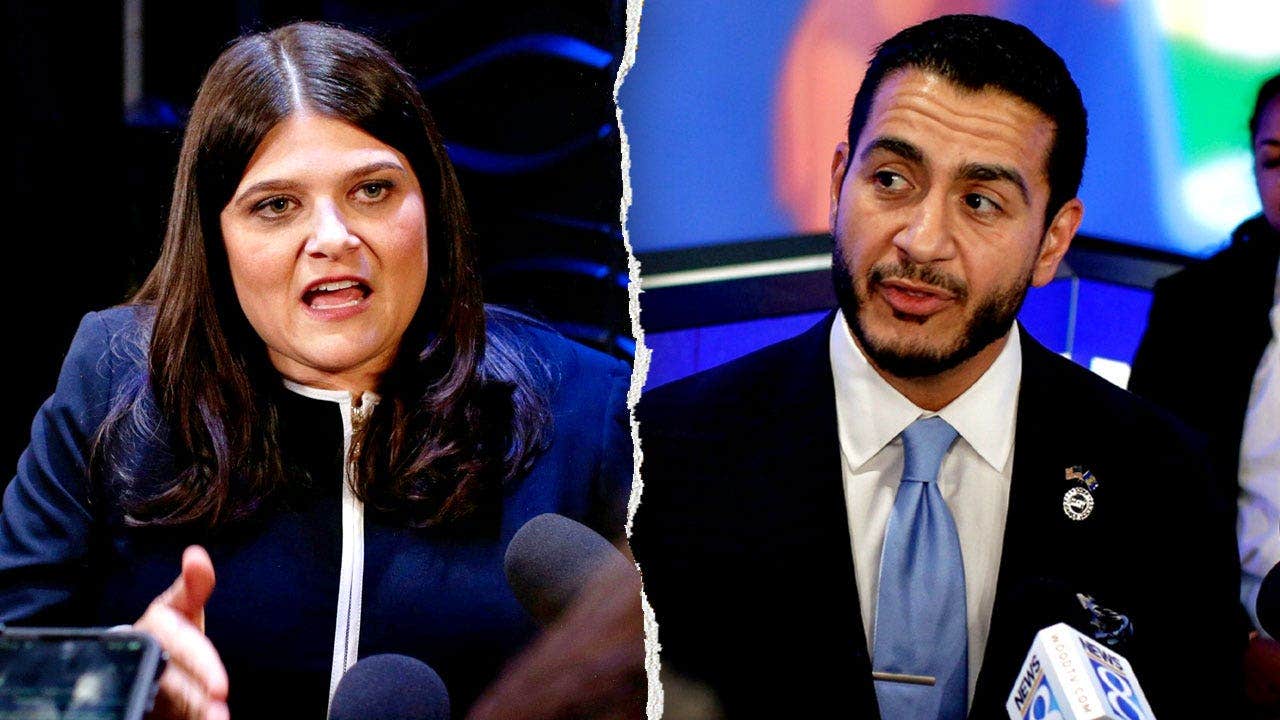
Abdul El-Sayed reveals Dubai real estate holdings ahead of Michigan primary debate.
Michigan Senate candidate Abdul El-Sayed is making headlines just before a crucial primary debate. His recent financial disclosure reveals that he and his wife possess assets estimated between $870,000 and $2.1 million. This disclosure comes at a pivotal time, as El-Sayed faces off against Rep. Haley Stevens in a race that has garnered significant attention.
Financial Disclosure Highlights
The newly released financial details provide deeper insight into El-Sayed’s wealth, although questions regarding the specifics remain. The disclosure outlines several key assets, including a rental property in Dubai valued at up to $250,000 and a liability to a Dubai-based company of up to $100,000. This marks a significant addition to the previous reports regarding El-Sayed and his wife’s real estate holdings, which already included properties in Ann Arbor, Michigan, and Bangalore, India.
El-Sayed’s employment situation has also changed, as he is now identified as a consultant for Wayne County, earning $72,000. This is a shift from a previous salaried role listed at $278,900, which raises questions about his financial landscape as he campaigns on progressive ideals that often criticize wealth disparity.
Progressive Challenges and Controversies
El-Sayed’s financial status has led to sharp critiques from his opponent. Rep. Stevens emphasized El-Sayed’s millionaire status during their debates, questioning his commitment to advocating for the middle class. Stevens stated, “I am the only one running for United States Senate in Michigan who is not a millionaire.” This comment underscores the tension between progressive messaging and personal wealth, suggesting that El-Sayed’s financial situation could alienate some voters.
El-Sayed’s proposals include significant shifts in policy, such as advocating for the abolition of Immigration and Customs Enforcement (ICE) and pushing for universal healthcare. His views have rallied a base of supporters from the progressive wing of the Democratic Party, including endorsements from well-known figures like Senators Elizabeth Warren and Bernie Sanders. However, these ambitious plans are now clouded by questions about transparency in his financial dealings.
Debate Dynamics and Future Implications
The recent debate spotlighted the growing disparity between the candidates, as Stevens seized the opportunity to press El-Sayed on his lack of transparency regarding tax returns. She remarked, “You talk about getting money out of politics and putting money in people’s pockets, but still no one knows who’s putting the money in your pocket.” El-Sayed responded defensively, claiming he has met all necessary disclosure requirements, yet critics argue that more transparency is essential for voters.
The stakes are high, especially with a primary election looming. El-Sayed’s financial disclosure aligns with a broader narrative of wealth and privilege that could significantly impact voter sentiment. As more details emerge about both candidates, it appears that the narrative surrounding El-Sayed’s financial status might play a pivotal role in the primary election outcome.
In conclusion, Abdul El-Sayed’s financial disclosure brings both opportunities and challenges as he navigates a high-profile Senate campaign in Michigan. The growing scrutiny over his wealth and the implications for his progressive platform suggests a complex landscape for voters who are increasingly concerned about economic disparities. The upcoming primary could serve as a critical turning point in determining whether El-Sayed’s vision resonates with the electorate or becomes overshadowed by issues of transparency and wealth.