
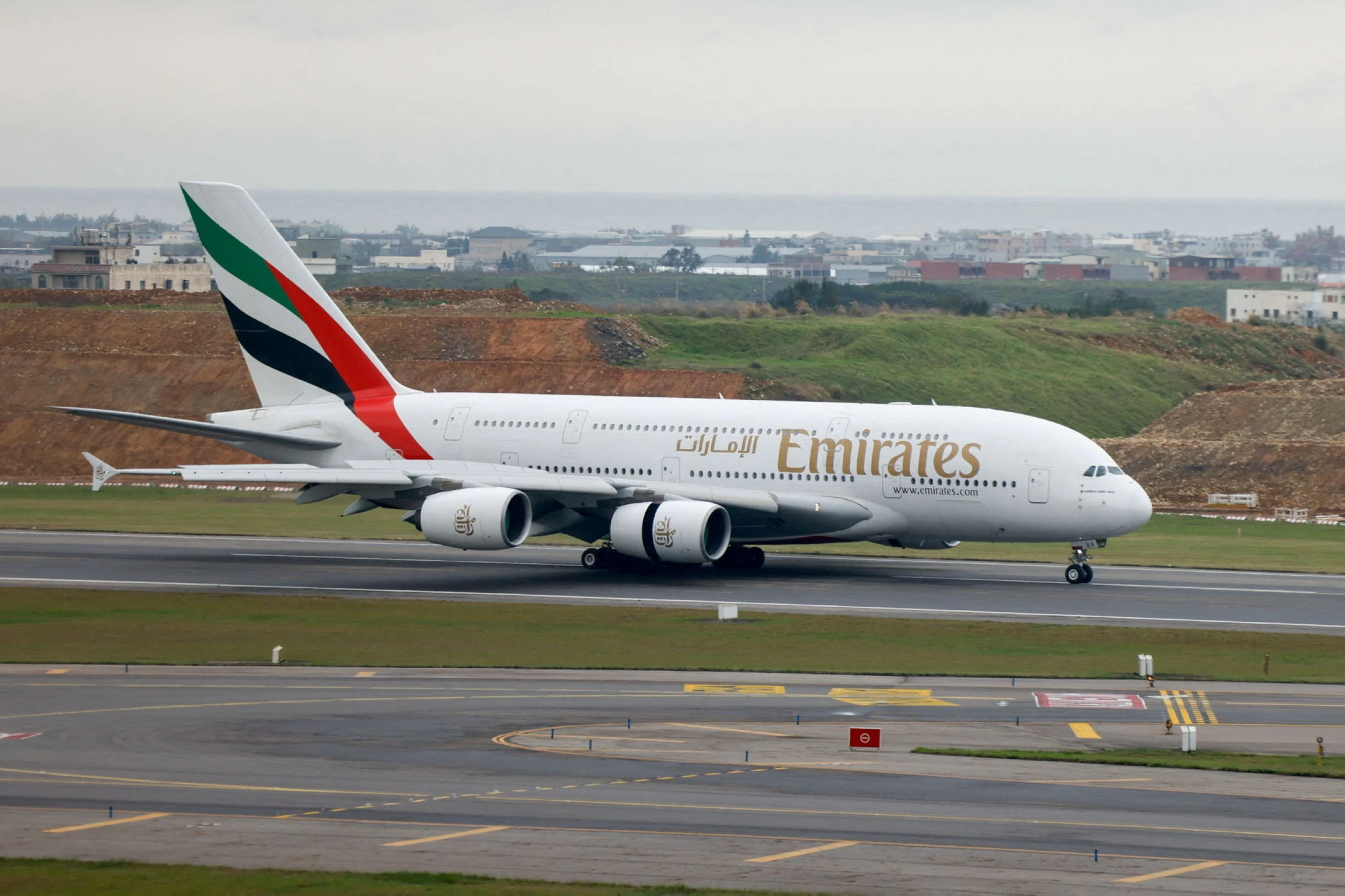
Emirates near full capacity; new Dubai airport set for 2032
The aviation industry in the Middle East is thriving and poised for significant growth. This region’s resilience and innovation have positioned it as a key player in global air travel. Various aviation leaders are optimistic about the future, indicating that now is the time for investment and expansion.
The Resilience of the Middle East Aviation Industry
The Middle East’s aviation sector has managed to navigate through various challenges, demonstrating remarkable resilience. Executives from major airlines, such as Emirates, have emphasized the importance of adapting to changing market dynamics. The region’s strategic geographic location serves as a vital hub for international travel, making it an attractive destination for both business and leisure travelers. As airlines continue to invest in their fleets and infrastructure, they bolster the regional economy and enhance connectivity between different parts of the world.
Strategic Investments for Future Expansion
To propel growth, airlines in the Middle East are focusing on strategic investments. With a commitment to expanding their operations, major carriers are set on enhancing their fleet with the latest aircraft technology and improving passenger services. This includes introducing more fuel-efficient airplanes to reduce carbon emissions and enhance sustainability efforts. Furthermore, major airports in the region are also undergoing upgrades to accommodate increasing passenger numbers and provide world-class facilities. These investments not only enhance the travel experience but also attract more travelers to the region, enriching the overall tourism sector.
Embracing Technological Advancements
In a rapidly changing world, embracing technology is essential for the aviation industry. The Middle East is at the forefront of adopting innovative solutions to streamline operations and improve customer experiences. From implementing advanced baggage handling systems to enhancing in-flight entertainment, airlines are leveraging technology to create a seamless journey for passengers. Additionally, the use of data analytics allows airlines to optimize their services based on consumer preferences, helping to attract and retain customers in a competitive market.
Collaboration and Partnerships in the Aviation Sector
The success of the Middle East’s aviation industry is also attributed to fruitful collaborations and partnerships. Airlines, airports, and stakeholders are working together to create a more integrated network of services. This cooperation enhances the entire travel experience, ensuring smoother connections and better communication among various entities. Furthermore, the emphasis on partnerships extends beyond air travel into tourism and hospitality, creating a unified approach to welcoming visitors to the region.
In summary, the Middle East’s aviation sector is emerging stronger than ever. With a blend of resilience, strategic investments, technological advancements, and collaboration, the region is well-positioned for future growth. Both industry leaders and travelers alike can look forward to an expansive and innovative landscape in air travel, making the Middle East a prime destination for aviation opportunities.