
Dubai Emerges as a Key Global Wealth Center, Report Reveals
Dubai: A Rising Hub for Global Wealth
Dubai is increasingly becoming a center of wealth, appealing to affluent individuals and globally mobile families seeking a competitive lifestyle. This trend is highlighted in the 2026 Julius Baer Global Wealth and Lifestyle Report, which outlines how urban centers are grappling with rising living costs due to currency fluctuations and geopolitical issues. Within this landscape, Dubai is positioning itself as an attractive destination.
Cost of Luxury Living in a Volatile Economy
The report underscores the shifting dynamics of premium living costs globally, emphasizing how geopolitical uncertainty, altered trade routes, and fluctuating foreign exchange rates are reshaping expenses for high-net-worth individuals (HNWIs). Over the past year, the cost of a luxury lifestyle has risen by an average of 10.2% in US dollar terms, primarily due to currency variations rather than local inflation factors. Cities benefiting from stronger currencies, such as the euro and Swiss franc, have seen notable increases in the cost of upscale goods and services. Conversely, regions tied to the US dollar, like the UAE with its dirham peg, experience greater stability in living expenses for wealthy individuals and investors.
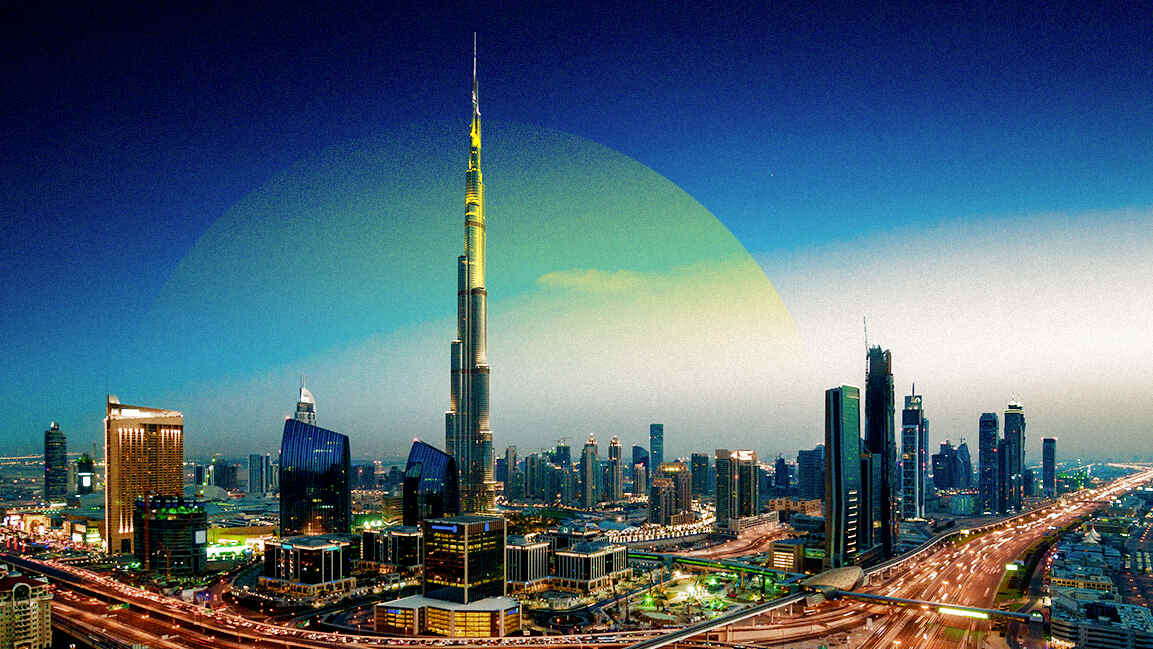
Dubai’s position in the Julius Baer index is noteworthy; the city ranks 14th this year. This shift primarily reflects other global cities becoming more costly rather than any decrease in Dubai’s costs. The emirate’s ability to maintain purchasing power amidst global economic turmoil is a key reason for its continued appeal. The report highlights Dubai’s unique blend of luxury, enterprise, and innovation, positioning it as a strategic gateway connecting East and West, with a business-friendly environment enhancing its attractiveness to affluent individuals.
Middle East Wealth: A Positive Outlook
The report also sheds light on the increasing confidence of wealthy individuals across the Middle East. A significant rise in asset valuations has resulted in substantial wealth increases for HNWIs, with one-third reporting considerable gains—more than double the rate seen among their European counterparts. This optimism is reflected in a 43% uptick in both investment and lifestyle expenditures among affluent respondents in the region.
Family dynamics, succession planning, and wealth preservation are high priorities for many in the Middle East. Notably, 98% of wealthy individuals live in larger family households, and over 60% have pursued succession planning over the past year. The region is distinguishing itself as a leader in structured wealth management, with 65% of HNWIs utilizing family offices and 73% establishing clear family governance frameworks.
Despite facing short-term challenges due to heightened geopolitical uncertainties, the long-term outlook for the Middle East remains optimistic. Economic diversification, fiscal strength, and strategic investments continue to support growth. Interestingly, non-oil sectors now constitute around 73% of the Gulf Cooperation Council (GCC) GDP. The incorporation of artificial intelligence into national strategies aims to contribute an estimated $320 billion to the region’s economy by 2030.
Luxury Spending and Wellbeing Trends
Shifting consumer priorities are evident in the report’s lifestyle survey, highlighting a growing inclination toward experiences, wellbeing, and long-term security among affluent individuals. Instead of purely focusing on material possessions, there is a rising demand for quality, health, and longevity investments. Dubai, with its established reputation for high-end dining and luxury travel, is ideally positioned to cater to these preferences.
The findings suggest that modern wealth encompasses more than just financial assets; it also involves lifestyle quality, family stability, and personal security. As Dubai and the broader Middle East solidify their roles as influential players in the luxury market, they are uniquely poised to meet the evolving demands of affluent consumers worldwide.