
Dubai’s Inflation Reaches 5.5%, Expected to Climb Higher
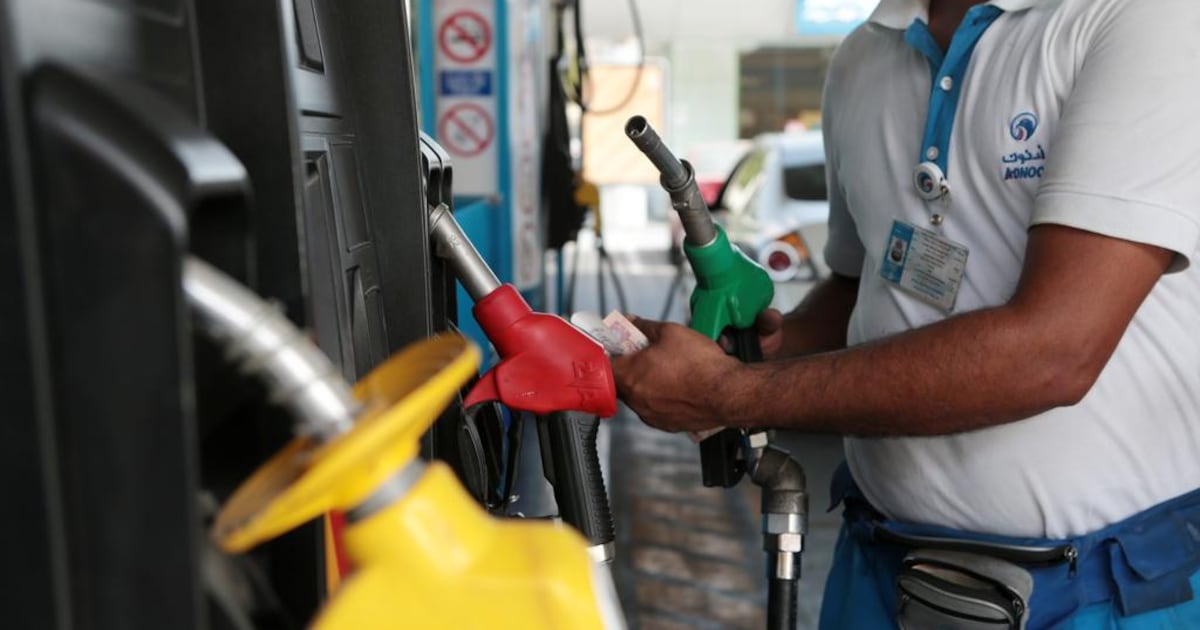
Falling petrol prices often signal a decline in overall living costs. As consumers eagerly anticipate the ripple effect of these reductions, it’s essential to understand how fluctuating fuel prices can impact various sectors of the economy.
The Connection Between Petrol Prices and Consumer Spending
When petrol prices decrease, consumers typically have more disposable income, which may create a more favorable economic environment. Lower fuel costs reduce expenses for individuals commuting to work or traveling for leisure. As a result, many people may allocate these savings toward other goods and services, ultimately stimulating local businesses. A more robust consumer spending pattern can potentially usher in economic growth, benefiting multiple sectors.
Effects on the Transportation Industry
A notable consequence of declining petrol prices is the immediate impact on the transportation industry. This sector is often one of the first to experience the benefits of lower fuel costs. Freight and logistics companies, for instance, see a direct impact on their operating expenses. When these businesses save on fuel, they can either lower their prices or improve profit margins. This shift can lead to more competitive pricing in the market, creating additional incentives for consumers to spend.
Additionally, public transportation systems may also feel the effects of reduced petrol prices. Many transit agencies rely on fuel to operate their services, and lower costs can lead to enhanced service frequencies or reduced ticket prices. In urban areas, this could result in improved accessibility for passengers, boosting ridership and making public transportation an even more attractive option.
Potential Implications for Inflation
The relationship between petrol prices and inflation is intricate. As fuel prices drop, there is often a corresponding decrease in the cost of goods that rely on transportation for delivery. This can lead to a moderation of inflation, as companies pass savings on to consumers. In turn, governments may monitor these price changes closely as they prepare economic forecasts. If sustained, lower petrol prices could help stabilize economic conditions and contribute to a more predictable financial environment.
However, it is vital to note that not all businesses will benefit equally from declining petrol prices. Industries that do not rely heavily on transportation may not see immediate benefits. Additionally, fluctuations in other essential commodities could counterbalance the positive effects of lower fuel prices, maintaining some degree of price stability.
The Broader Economic Outlook
As petrol prices continue to drop, the potential for decreased costs in various sectors raises many questions regarding future economic conditions. Analysts will be keen to observe consumer behavior and spending patterns as these changes unfold. The hope is that falling petrol prices will create a positive feedback loop, encouraging spending and investment, leading to a stronger economic outlook.
In summary, decreasing petrol prices could lead to numerous economic advantages. From increased consumer spending to reduced transportation costs, the potential benefits are significant. By keeping an eye on these trends, consumers and businesses alike can make informed decisions in a rapidly changing economic landscape. Understanding how fuel prices influence broader market dynamics is crucial for navigating financial opportunities in the coming months.