
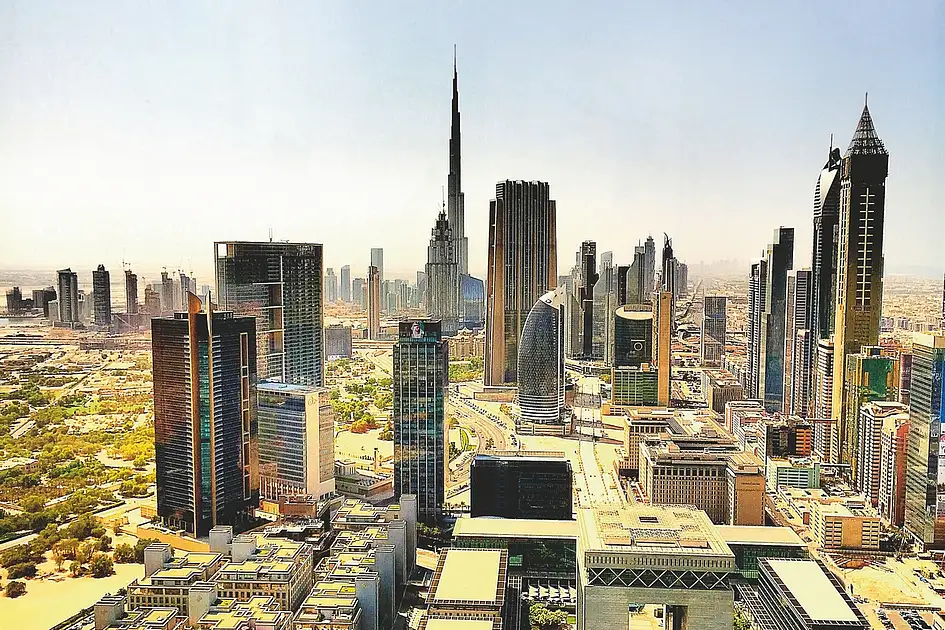
Two-Year Property Visa: Demand Surges for Dh750,000 Homes in Dubai Following Regulatory Update
Dubai’s housing market is witnessing an increase in interest within the budget-friendly segment, following the removal of the minimum investment threshold for its two-year property visa. Industry experts are observing a notable uptick in inquiries, particularly from buyers looking for affordable residences.
Growth in Affordable Housing Demand
According to Farooq Syed, CEO of Springfield Properties, there has been a discernible rise in inquiries for properties priced below Dh750,000. This surge is largely attributed to international buyers interested in residency through property ownership, as well as local residents considering their first home purchase. The demand remains robust for studio apartments, which offer a broader selection in this price range, whereas competitively priced one-bedroom apartments are relatively scarce.
The interest is concentrated in several key affordable areas such as Dubailand, Marjan, Dubai Production City, and International City. These communities benefit from strong infrastructure, lifestyle amenities, and solid long-term investment potential. The Emirates had revised the regulations around its property-linked visa in April, eliminating the former Dh750,000 minimum property value requirement for solo investors.
Changes to the Two-Year Property Visa
Under the updated rules, individual property owners can now apply for the residency visa without meeting the previous minimum threshold. However, if ownership is held jointly, each co-owner must possess a share valued at no less than Dh400,000. This change has been pivotal in enhancing accessibility to the market for a wider array of buyers.
Rohit Bachani, co-founder of Merlin Real Estate, echoed these sentiments, noting that interest has notably increased in affordable communities like Jumeirah Village Circle, Jumeirah Village Triangle, and Dubai South. Previously considered “visa-invisible,” these properties are now available for residency applications, leading to greater interest from first-time and overseas buyers, especially from countries like India, the UK, and across Southeast Asia.
Wider Access and Increased Confidence
Both Syed and Bachani believe the easing of investment conditions significantly opens up the Dubai property market. This move allows buyers to make decisions based on their financial capabilities and long-term goals rather than the limitations of visa requirements. Bachani emphasizes that this development is more about fostering confidence and enhancing market access rather than igniting a sudden rise in property prices.
With an anticipated influx of over 50,000 units expected for handover by 2026, broadening the pool of eligible buyers will assist in absorbing this new supply rather than hindering market movement. Properties priced below Dh750,000 made up approximately 25% of all transactions in the first quarter, indicating that this sector, once lacking a pathway to residency, is now flourishing.
In conclusion, the policy changes in Dubai offer a proactive approach aimed at maintaining market liquidity. By removing barriers to residency linked to affordable properties, Dubai is not only enhancing buyer access but also ensuring stability in its real estate landscape during challenging market conditions.