
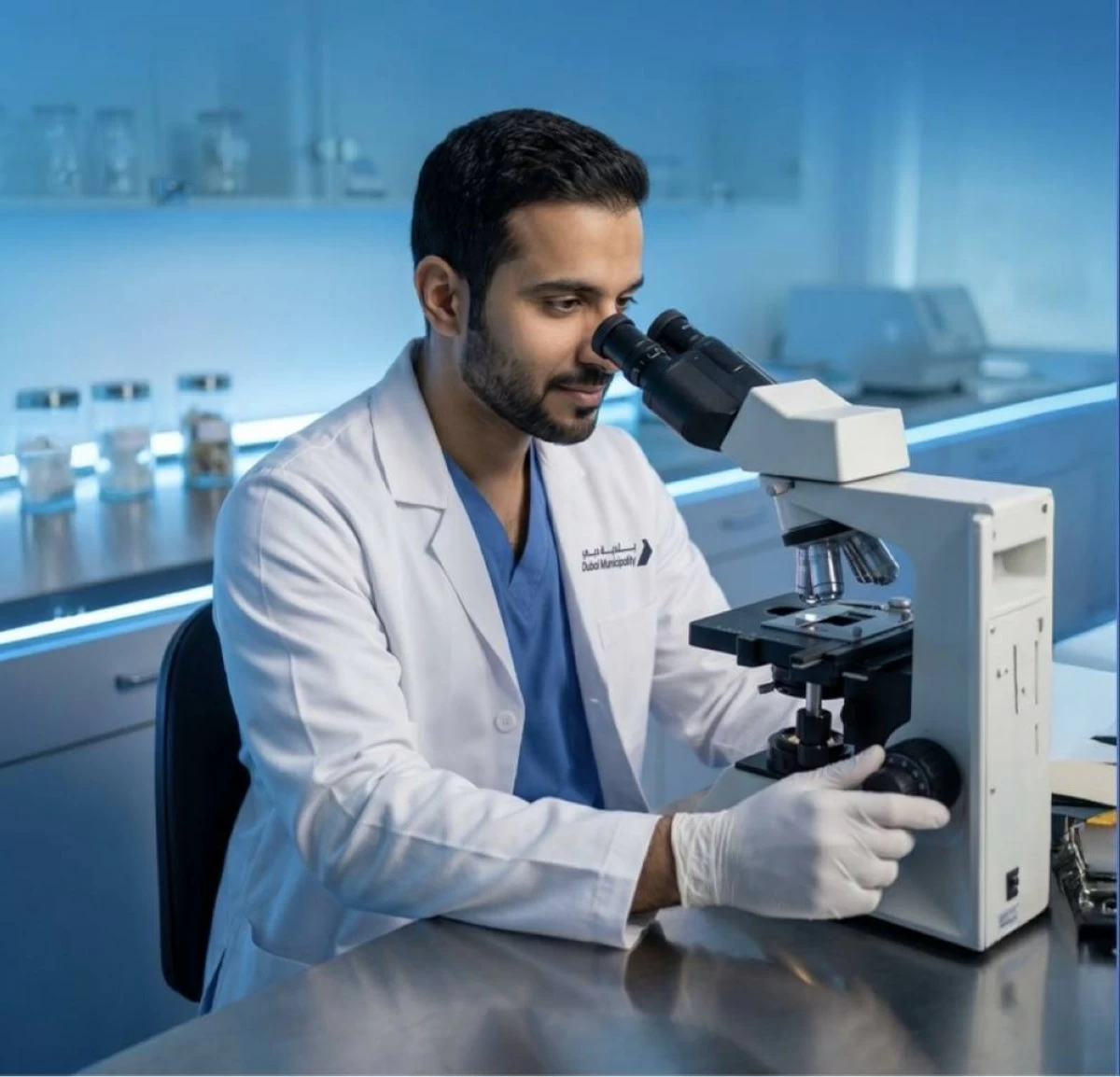
Dubai Municipality unveils cutting-edge lab for food nanoparticle detection.
Dubai Municipality has unveiled a state-of-the-art nanoparticle detection laboratory aimed at elevating food safety standards in the emirate. This innovative facility is set to revolutionize how food products are tested, providing results in under five minutes and helping to ensure that the food supply remains safe and of high quality.
Strengthening Food Safety and Regulatory Measures
The newly established laboratory is a crucial asset for enhancing regulatory oversight in the food sector. Designed to meet the evolving demands of the industry, this facility highlights the municipality’s proactive approach in addressing the increasing application of nanotechnology in food production. By implementing advanced testing protocols, Dubai Municipality aims to bolster its food safety measures and adapt to the latest advancements in laboratory analyses.
This initiative underscores the commitment to not only monitor food safety closely but also match global standards in testing. The emphasis on timely and accurate results will empower regulatory bodies to take swift action in ensuring that food products meet stringent safety criteria.
Cutting-Edge Testing Technology
Eng. Hind Mahmoud Ahmed, who serves as the Director of the Dubai Central Laboratory Department, described the new laboratory as a significant enhancement to the emirate’s existing scientific facilities. The laboratory employs cutting-edge Inductively Coupled Plasma Mass Spectrometry (ICP-MS) technology, which allows for the precise identification of titanium dioxide particles in food items. Eng. Ahmed emphasized that this cutting-edge approach differentiates between conventional and nanoscale titanium dioxide, providing invaluable insights into product safety and composition.
Moreover, the rapid testing capabilities enable quicker regulatory decisions based on reliable data, promoting a more efficient food safety system.
Fostering Future Research and Applications
The laboratory’s capabilities extend beyond food safety testing. Officials have indicated that it will lay the groundwork for broader research opportunities and applications in various sectors, including cosmetics, pharmaceuticals, and packaging materials. This ambitious expansion is anticipated to support policymakers in establishing comprehensive regulations governing the use of nanoparticles across industries.
By tapping into the potential of nanotechnology, Dubai aims to be at the forefront of innovation while ensuring consumer safety remains a priority.
High Testing Capacity and Efficiency
Currently, the facility has the capability to process approximately 60 samples daily, with the potential to scale up to 100 samples during urgent situations. This flexibility is critical in times of heightened demand, allowing for rapid responses and timely decisions across the food safety landscape. The ability to deliver swift results not only enhances operational efficiency but also supports a more agile food safety system.
Dedication to Public Health and Safety
The establishment of this innovative laboratory aligns with Dubai’s broader goals to enhance public health and safety standards. By reinforcing its food safety framework, Dubai Municipality aims to cement the emirate’s position as a global leader in laboratory testing and quality assurance. The commitment to investing in advanced technologies demonstrates a forward-thinking approach to tackle future challenges related to food safety and quality.
Through these initiatives, Dubai is poised not only to safeguard public health but to set new benchmarks for food safety in the region and beyond.