
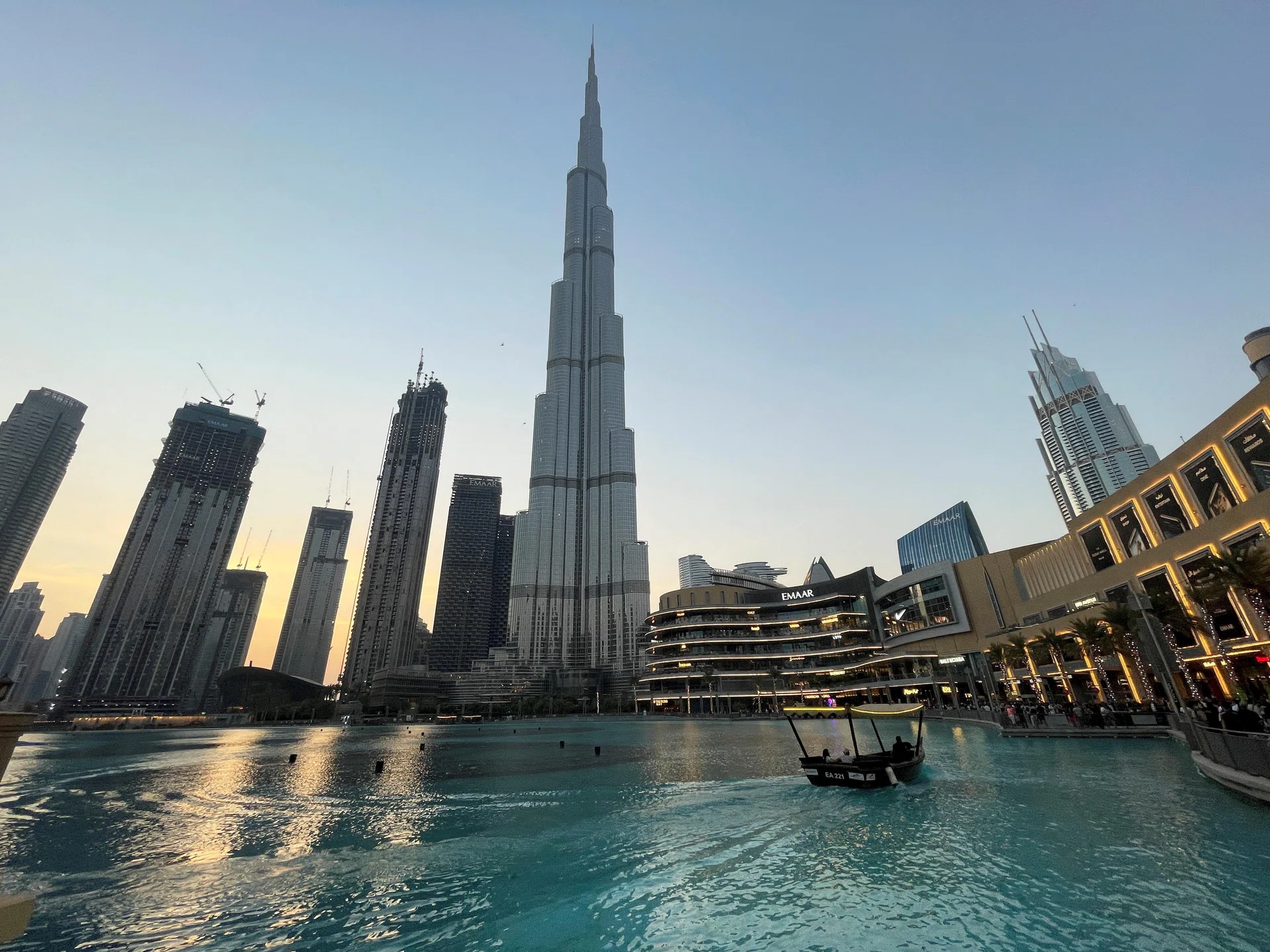
Dubai real estate boom slows down, yet sellers remain firm on pricing
The ongoing conflict in the region has prompted a reevaluation of Dubai’s real estate landscape. As the war unfolds, stakeholders are closely monitoring how extended instability may influence the city’s property market, given its previous trajectory of rapid growth and subsequent adjustments.
Current Trends in Dubai’s Real Estate Market
As the conflict persists, the dynamics of Dubai’s housing market are becoming clearer. After experiencing a sharp decline in transaction volumes, prices have demonstrated remarkable resilience. Reports indicate that property sales in May totaled approximately 22.5 billion dirhams, reflecting a staggering 42% drop compared to April and nearly half of the 46.6 billion dirhams recorded in February, prior to the onset of the war. The decline in sales volume indicates a cautious approach from buyers, while prices for homes still under construction have dipped less than 9% this year, suggesting that the market remains stable.
In the years leading up to the war, Dubai had firmly established itself as one of the world’s most dynamic real estate markets, driven in part by substantial investments from international buyers, particularly from India, the UK, and Russia. As buyers begin to adjust their strategies, the market is witnessing a shift from aggressive purchasing to more deliberate investment decisions. Despite the turmoil, the Dubai Land Department maintains that the city is supported by strong fundamentals and a diverse investor base, highlighting optimism for the rest of the year.
Impact of the War on Buyer Profiles
The ongoing conflict and subsequent volatility have altered buyer profiles. Historically, Indian and British nationals dominated the market, but there’s a noticeable uptick in interest from Middle Eastern buyers, particularly from countries like Lebanon and Egypt. The changing landscape reflects a growing caution among buyers who are now more selective rather than entirely withdrawing from the market. Industry leaders have observed that many Indian investors are exercising restraint, shifting from a strategy of aggressive buying to a more conservative approach.
While completed properties are still showing stability, the segment of off-plan homes has seen considerable fluctuations. The off-plan sector, which encompasses homes currently under construction, represents about 75% of overall transactions and has been significantly affected by the ongoing conflict. Sales in this category fell nearly 50% in May compared to April. Factors such as the recent Eid holiday contributed to this decline, but the primary driver appears to be a hesitance among buyers amidst the uncertain geopolitical climate.
Future Outlook and Adjustments in Strategy
As Dubai navigates the complexities of a fluctuating market, the approach taken by developers is gradually evolving. A number of developers are shifting focus from new project launches to marketing existing properties, signaling a strategic pivot in response to current economic conditions. The founder of Emaar Properties remarked on the need for adaptability, indicating that while prices are stable, there’s a wait-and-see attitude among buyers who expect potential declines.
Moreover, smaller developers are beginning to adjust their pricing strategies to boost sales, contributing to a more competitive landscape. Analysts project that Dubai’s population needs to grow significantly in order to absorb approximately 400,000 housing units anticipated over the coming years. The stable regulatory framework and low taxes in the emirate continue to encourage investment in completed homes, especially in high-demand segments where supply constraints exist.
In conclusion, while the ongoing instability presents challenges, the resilience shown in Dubai’s real estate market offers a glimpse of potential stability. Understanding these dynamics can help investors make informed decisions as the market continues to adjust to ongoing developments. The property sector has weathered storms in the past, and with continued vigilance and strategic planning, Dubai may again emerge as a sought-after global destination for real estate investment.