
Holness Points to Dubai and Singapore for Jamaica’s Growth Strategy
Evolving Jamaica’s Economic Landscape: A Vision for Transformation
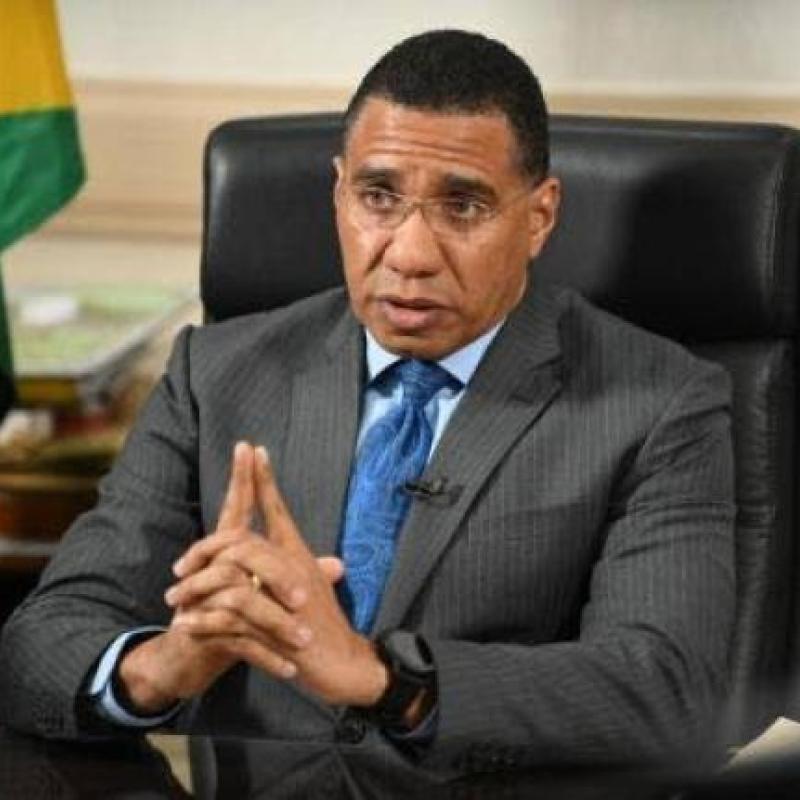
Prime Minister Dr. Andrew Holness has pointed to the successful models of Dubai and Singapore as inspiration for Jamaica’s developmental trajectory. He emphasizes the need for Jamaica to evolve from a tourism-centric economy, catering primarily to transient visitors, to a destination that attracts individuals to live, work, and invest in the country long-term.
The Shift from Tourists to Residents
Holness articulated his vision during the Jamaica Chamber of Commerce’s 41st Annual Awards Banquet, stating that Jamaica’s economy must undergo a significant transformation. This includes changing perceptions about how productivity, wages, and labor are interlinked. As seen in Dubai and Singapore, both of which have undergone remarkable economic shifts within a few decades, Jamaica could similarly harness its unique strengths to foster a vibrant, inclusive community for both residents and newcomers.
A notable point in Holness’s address was the potential for Jamaica to evolve into an inviting hub for permanent residents, thereby enriching the economy. He highlighted the need for a paradigm shift by saying, “The model of development and growth for many years has been how many visitors can we have in tourism. That model needs to shift.” Understanding that permanent residents contribute to the economy by spending, hiring, and engaging in business will help create a more sustainable economic landscape.
Overcoming Structural Barriers
Despite these ambitions, Holness acknowledged critical challenges, including crime, inadequate infrastructure, and productivity issues. By addressing these pressing matters, Jamaica can become a more attractive destination for potential residents. “Get the crime down, get the efficiency up,” he asserted, emphasizing that enhancement in these areas would make it easier to present Jamaica as an appealing choice.
Holness also addressed Jamaica’s productivity crisis. The nation ranks among the lowest in the Caribbean, with workers contributing significantly less to GDP than their counterparts in other countries. He explained, “Productivity is the heart of growth,” indicating that without improvements in this area, economic stagnation and inflation would persist. The prime minister called for a “new labor policy” tailored to a thriving economy, which would revolutionize how work and wages interact.
A National Conversation on Labor and Wages
Another critical point Holness raised was the paradox of low unemployment juxtaposed with challenges in finding suitable workers for vacancies. Although the unemployment rate fell to 3.6%, business owners report difficulty filling positions while witnessing many individuals remain unemployed. This discrepancy calls for a reevaluation of labor dynamics in Jamaica to ensure that employers can meet their workforce needs.
Holness urged the Jamaica Chamber of Commerce to take on a more proactive role in advocating for a national dialogue about labor issues. He believes that fostering direct engagement between businesses, workers, and policymakers will lead to a more cohesive understanding of the intricate relationship between work, wages, and economic advancement.
As Jamaica aims for sustained economic growth, it must adopt a more inclusive approach to development—one that welcomes new residents and addresses fundamental challenges in productivity and crime. By reimagining its tourism-focused economy and embracing a transformative vision, Jamaica has the potential to emerge as a thriving hub for migrants looking to create a life in the island paradise.