
Dubai Electricity and Water: Pioneering Clean Energy and Sustainable Economy
Dubai’s commitment to environmental sustainability is being further solidified by the Dubai Electricity and Water Authority (DEWA). As the world observes World Environment Day on June 5, 2023, DEWA remains at the forefront of initiatives aimed at reducing carbon emissions and promoting resource efficiency. With a vision aligned with the UAE’s climate action goals, DEWA is actively pursuing a transition to clean energy and a green economy.
Commitment to Sustainability
DEWA’s strategic initiatives underscore its unwavering commitment to integrating sustainability into its operational model. These efforts align closely with the Dubai Clean Energy Strategy 2050 and the Carbon Neutrality Strategy 2050. Aiming to achieve 100% energy production from clean sources by 2050, DEWA is implementing pioneering projects like the Mohammed bin Rashid Al Maktoum Solar Park. This facility stands as the largest single-site solar energy project globally, designed to surpass 8,000 megawatts in production capacity by 2030. Currently, it boasts a capacity of 3,860 megawatts, utilizing cutting-edge solar photovoltaic and concentrated solar power technologies. Such advancements are expected to elevate the clean energy share in Dubai’s energy mix to 36% by 2030, a significant increase from an earlier projection of 25%. This shift is projected to lead to a reduction of over 8.5 million tons of carbon emissions annually.
Green Hydrogen Project
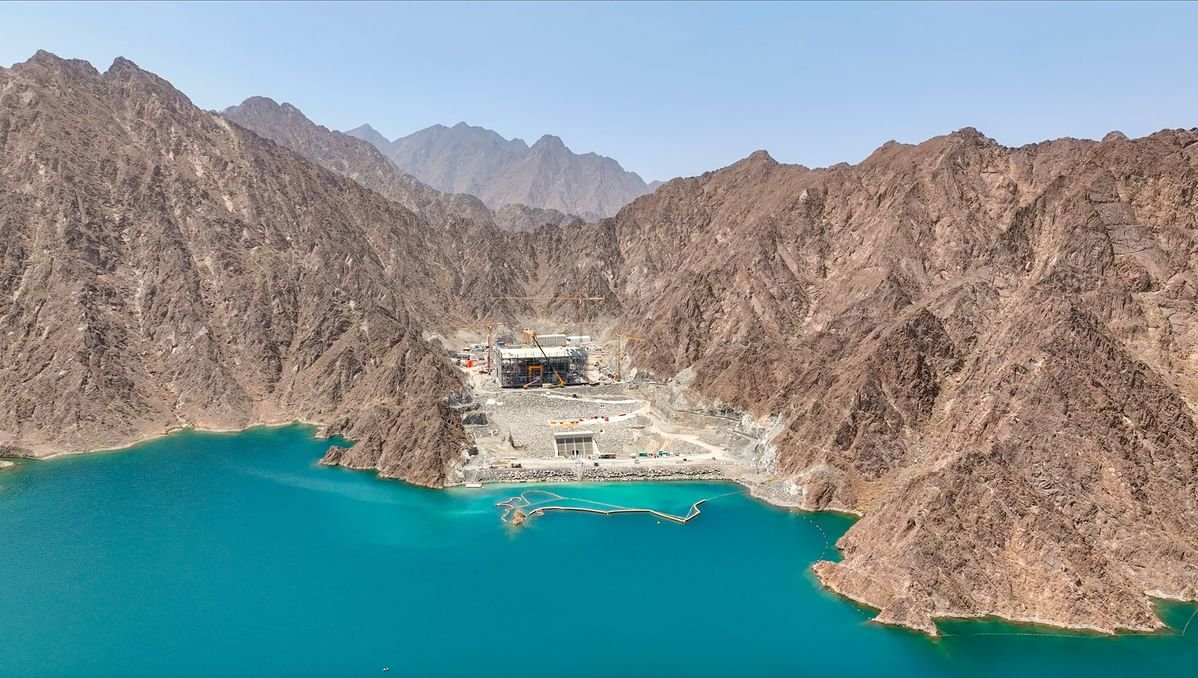
Another noteworthy initiative is the Green Hydrogen project, the first of its kind in the MENA region. This groundbreaking project produces hydrogen using solar energy while also storing it for later use, including converting it back into electrical energy. The facility generates approximately 20 kilograms of hydrogen per hour, with a storage capacity for up to 240 kilograms. It employs a 300-kilowatt engine to harness hydrogen for electricity production, serving as a flexible platform for exploring future hydrogen applications. Additionally, the Hatta hydroelectric station, with an impressive capacity of 250 megawatts, represents the region’s first hydropower project utilizing stored technology. It aims to hold 1,500 megawatt hours of power with a longevity spanning 80 years.
The Green Charger Initiative
In 2014, DEWA also introduced the Green Charger initiative, which aims to establish a comprehensive network of electric vehicle (EV) charging stations. Designed to enhance green mobility and support Dubai’s goal of becoming the smartest and happiest city, this initiative has successfully installed more than 2,223 charging points across the city in collaboration with various partners. The infrastructure allows all customers to access the charging service through a convenient “Visitor Feature,” making it possible for anyone to locate charging stations via DEWA’s mobile app or website. This initiative complements DEWA’s extensive commitment to employing environmentally friendly building practices across its facilities. The organization is currently home to 10 certified green buildings, recognized by the prestigious Leadership in Energy and Environmental Design (LEED) rating system.
Innovative Smart Government Building
DEWA’s ambitious vision is also reflected in its new headquarters, the “Sail Building.” This state-of-the-art structure is recognized as the tallest and smartest government building globally, designed to be energy positive. It pursues excellence in sustainability by aiming for a platinum rating under the LEED certification and has achieved a gold certificate for health and wellness in buildings. The Sail Building incorporates advanced technologies like the Internet of Things, big data analytics, and artificial intelligence, alongside the latest renewable energy solutions. Such innovations not only enhance operational efficiency but also set a new standard in sustainable architecture.
These initiatives collectively highlight DEWA’s essential role in fostering a sustainable future and reaffirm its dedication to environmental stewardship, aligning with the UAE’s broader climate goals.