
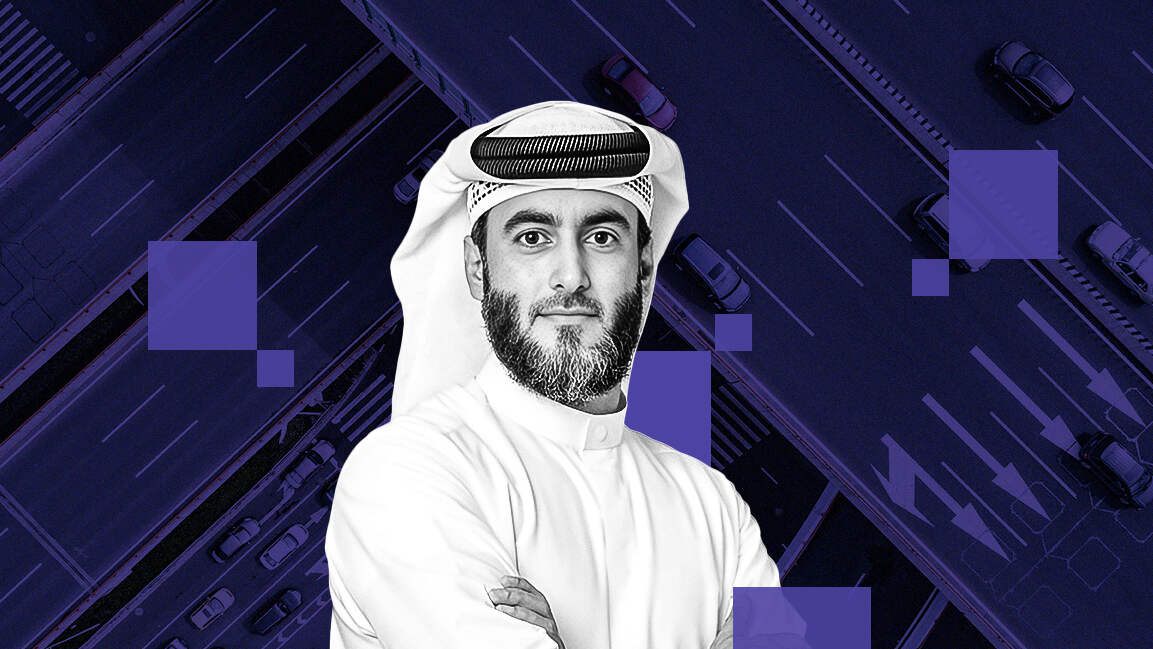
Mansoor Rahma Alfalasi Discusses Trust in Driverless Taxis
The Future of Autonomous Vehicles in Dubai
Dubai has always been at the forefront of innovation, and its latest initiative focuses on integrating autonomous vehicles into its transport system. With the collaboration between Dubai Taxi Company and Apollo Go, the emirate is making significant strides toward a future where driverless taxis become part of daily transit options. However, this ambitious endeavor raises various concerns around safety, user trust, and the required regulatory landscape.
Building Trust in Autonomous Mobility
To successfully convert a high-end transport society into one that embraces driverless taxis, it is crucial to uphold the service standards that passengers expect. Mansoor Rahma Alfalasi, CEO of Dubai Taxi Company, emphasizes the necessity of ensuring that autonomous rides are consistent from the very first journey. The commitment to creating a safe, efficient, and reliable service is underpinned by decades of operational experience paired with cutting-edge monitoring systems and data analytics.
Apollo Go boasts an impressive portfolio, having completed over 20 million rides and accumulated more than 190 million kilometers entirely without a driver. Partnering with the Roads and Transport Authority, Dubai Taxi Company has put significant effort into testing these services under local conditions. Alfalasi believes that to earn public trust, the innovations must encompass not just the vehicles but also the comprehensive ecosystem surrounding them.
Scaling the Autonomous Fleet
Reaching the goal of 25% of public transport trips being autonomous by 2030 is no small feat. Alfalasi highlights two core challenges: operational scalability and customer behavior. The operation must maintain exceptional service standards while catering to varying demand across peak and off-peak hours. To achieve this, tight integration among booking platforms, fleet management, and regulatory compliance is essential.
Customer habits pose a different challenge. Interest in driverless cars is one thing; habitual usage is another. “We aim to ensure that the quality of experience drives repeated use,” explains Alfalasi. This approach entails not rushing the expansion but focusing on maintaining a high service standard. The fleet will start with 50 vehicles, with plans to eventually exceed 1,000, but only when key performance metrics confirm readiness.
Safety as a Fundamental Principle
Prioritizing safety was critical even before the first commercial ride was conducted. Rigorous pilot programs were established, leading to the granting of Dubai’s first driverless trial permit to Apollo Go. This approval means the technology must adhere to the highest local safety standards. DTC has implemented advanced monitoring systems to ensure that the strict safety protocols established during trials carry over into commercial operations.
Operational accountability is clearly defined in this ecosystem. Each stakeholder, from Apollo Go to Dubai Taxi Company and the Roads and Transport Authority, has distinct responsibilities. Alfalasi stresses that the emphasis on safety, reliability, and adherence to regulatory standards remains paramount.
Localizing Innovation
The partnership between Dubai Taxi Company and Apollo Go is based on collaboration, not dependency. Although Apollo brings extensive operational experience across multiple cities, DTC contributes vital local knowledge and regulatory expertise. Customizing the service for Dubai involves adapting to local behaviors, climate conditions, and the unique demand landscape of the city.
Alfalasi points out that for genuine success in autonomous mobility, it is necessary to localize operations. DTC’s ambition is to evolve as an operator that integrates emerging technologies rather than merely implementing them. The partnership aims to achieve a harmonious blend of global innovation and local operational discipline.
Conclusion
Dubai’s commitment to driverless taxis is a promising venture, marking a significant turning point in urban mobility. The objective is to transform autonomous vehicles into a reliable daily transport option that residents and visitors can depend on. The success of this initiative will not be judged solely by its technological milestones but by how seamlessly it integrates into daily life, making transport not only convenient but also safe and reliable. As these changes unfold, the ongoing evolution of Dubai’s transportation landscape is sure to capture global attention.