
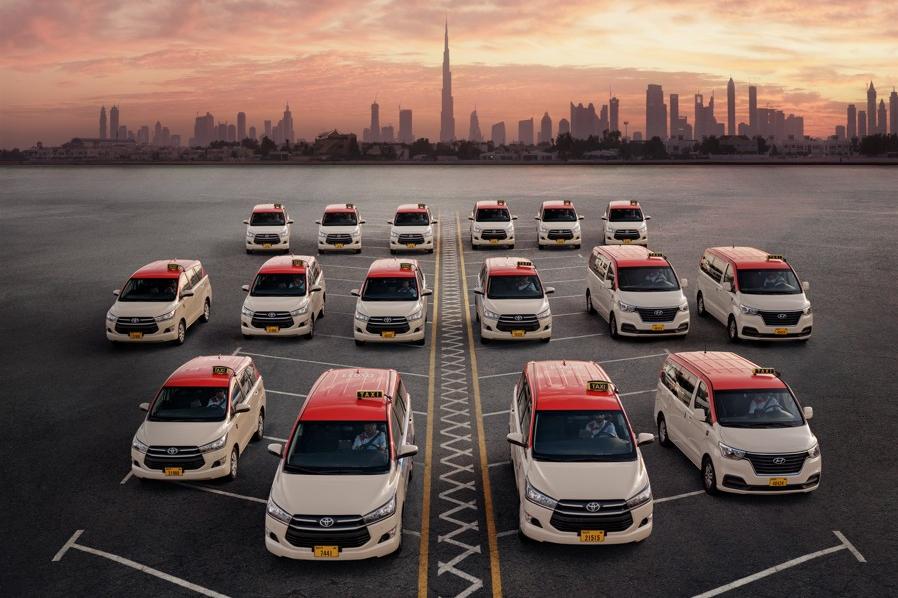
Dubai Taxi Company enhances transportation services in Ajman with AJ Industries.
In a significant move aimed at enhancing urban travel, a new partnership has been formed that focuses on expanding Direct-to-Consumer (DTC) mobility services in Ajman. This agreement sets the stage for a collaborative effort to improve transportation options within the region, driving convenience and efficiency for residents and visitors alike.
Partnership Overview
The agreement brings together key stakeholders who share a common vision: to transform the way people navigate the city. By pooling resources and expertise, both parties aim to innovate and optimize mobility solutions that cater to the diverse needs of Ajman’s population. As urban areas continue to face challenges related to congestion and accessibility, this partnership seeks to address these issues head-on, making transportation more seamless and user-friendly.
Benefits of Enhanced Mobility Services
The enhanced mobility services promised through this collaboration are expected to provide numerous advantages for users. First and foremost, improved transportation options will lead to reduced wait times and increased reliability, essential factors for daily commuters. Moreover, the integration of modern technologies will allow for real-time tracking and updates, ensuring that users can plan their journeys more effectively.
Another major benefit is the accessibility increase for those who may have limited options in traditional transport. The DTC services aim to provide flexible transportation alternatives, thereby accommodating a wider demographic. This not only promotes inclusivity but also encourages more individuals to consider public transport over personal vehicles, contributing to a decrease in overall traffic congestion.
Future Implications for Ajman’s Urban Environment
As Ajman continues to grow and develop, sustainable urban transportation solutions become increasingly crucial. The collaboration between the involved parties prioritizes eco-friendly practices, aiming to reduce carbon footprints associated with daily commuting. Electric and hybrid transportation options may play a significant role in this vision, allowing Ajman to make strides toward a more sustainable future.
The potential for job creation is another significant implication of this partnership. As DTC services expand, new employment opportunities will arise in various sectors, including technology, customer service, and vehicle maintenance. This not only benefits the local economy but also provides residents with meaningful work options, strengthening community ties.
Conclusion
The partnership to scale DTC’s mobility services in Ajman signals a forward-thinking approach to urban transportation. As the collaboration unfolds, it is poised to bring about remarkable improvements in convenience, inclusivity, and sustainability. For the residents of Ajman, the promise of enhanced mobility could lead to a better quality of life, making the city a more accessible and enjoyable place to live and work. As these developments take shape, the focus on user experience and community impact will remain central to the ongoing efforts, reshaping the future of urban travel in the region.