
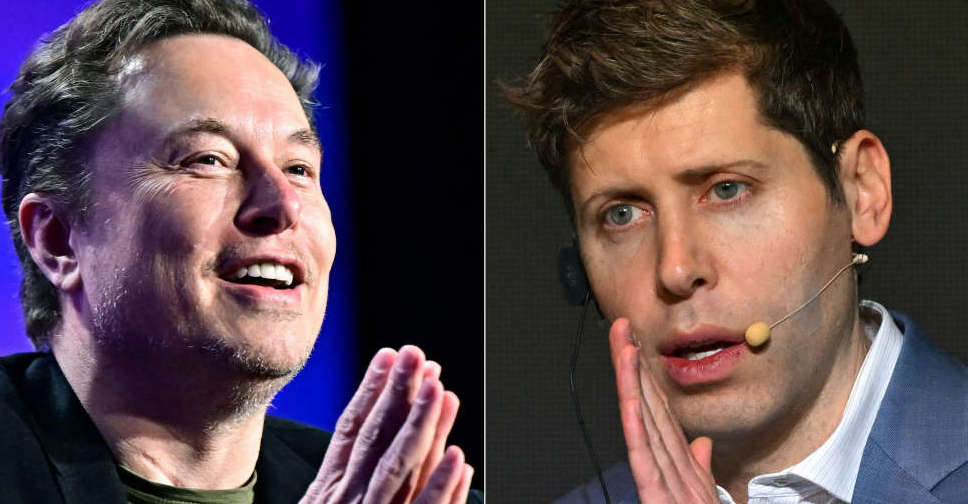
OpenAI wins lawsuit against Elon Musk, clears IPO path
On Monday, a U.S. jury handed down a significant ruling against Elon Musk in his legal battle against OpenAI. The jury concluded that the AI company did not hold responsibility towards Musk for allegedly deviating from its foundational mission aimed at serving humanity. This event has sparked discussions about the ethical responsibilities of AI firms and those involved in their creation.
Background of the Lawsuit
Elon Musk, known for his ventures in technology and innovation, launched a lawsuit against OpenAI, claiming it strayed from its purpose to promote beneficial artificial intelligence. Musk, one of the co-founders of OpenAI, expressed concerns over the company’s growing capabilities and potential misuse of its technologies. His argument was rooted in the belief that the rapid advancements in AI could lead to disastrous consequences if not properly managed. Critics argue that Musk’s lawsuit reflects a broader anxiety regarding the unregulated growth of AI and the ethical implications of its deployment.
Jury’s Findings and Implications
The jury’s verdict underscored the complexities of accountability in the rapidly evolving AI landscape. By ruling in favor of OpenAI, the jury sent a message that responsibility for AI developments may not rest solely with the original founders or stakeholders. This decision could have far-reaching implications for future legal actions addressing the accountability of tech companies, especially in sectors where ethical considerations are pivotal. The outcome of this case raises questions about the extent to which founders can influence the trajectory of the organizations they have established.
OpenAI’s Commitment and Future Directions
Following the jury’s decision, OpenAI reiterated its commitment to advancing AI technologies while prioritizing ethical considerations. The organization emphasized its ongoing efforts to develop artificial intelligence that positively impacts society, focusing on transparency and community involvement. OpenAI’s mission remains centered around creating user-friendly AI that benefits everyone, a vision that many supporters hope will guide the company’s future initiatives.
Broader Industry Perspectives
This legal confrontation is emblematic of the broader anxieties surrounding artificial intelligence in the tech industry. Many stakeholders, including researchers, ethicists, and policymakers, are urgently calling for clear guidelines and frameworks to ensure responsible AI development. As technological advancements continue at a breakneck pace, establishing a balance between innovation and ethical responsibility has become more critical than ever. Musk’s lawsuit and the subsequent ruling highlight the deep-seated concerns about how AI can be harnessed for the greater good, while also managing potential risks associated with its misuse.
In conclusion, the recent ruling against Elon Musk in the lawsuit involving OpenAI opens up a broader discussion about the ethical responsibilities of AI companies. As the industry evolves, ensuring that artificial intelligence serves humanity’s best interests will require collaboration among stakeholders at every level.