
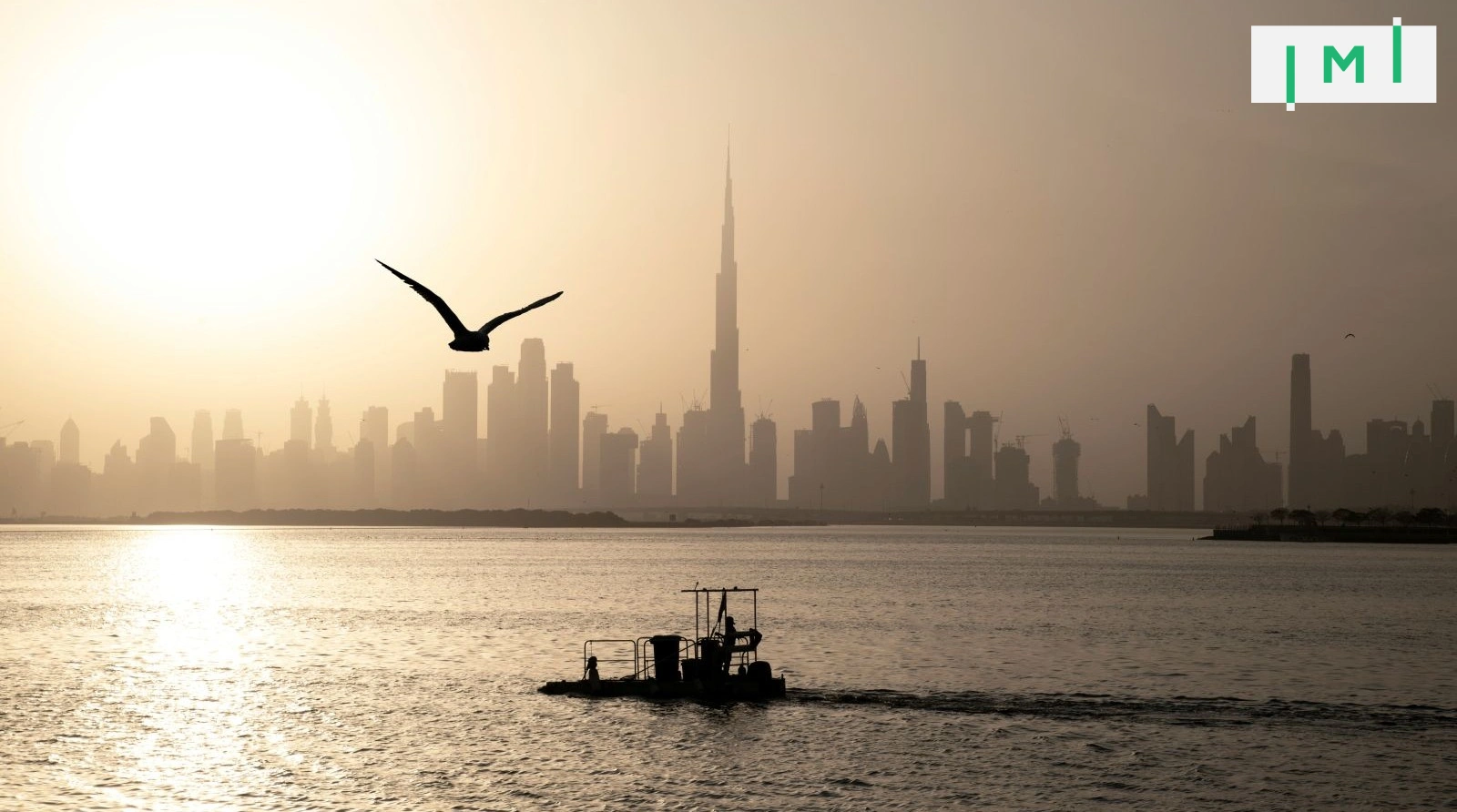
Dubai Eliminates Minimum Property Price Requirement for Two-Year Investor Visa
Dubai is making significant changes to its property investor residence visa policies, aiming to attract a broader range of investors and enhance the market’s overall health. The Dubai Land Department (DLD) has recently eliminated the AED 750,000 (about USD 204,000) minimum investment requirement for individual applicants looking for a two-year residence visa linked to property ownership.
Updated Ownership Criteria
In a notable shift, the DLD has also reduced the minimum ownership threshold for co-owners. Each co-owner now needs to invest a minimum of AED 400,000 (approximately USD 109,000), a considerable decrease from the previous requirement that mandated every co-owner to meet the AED 750,000 standard. While no formal decree was released to accompany this change, various immigration firms, such as Fragomen and Erickson Immigration Group, have confirmed its immediate effect through client advisories. These regulatory shifts are perceived as a means to stimulate investment in the real estate market, particularly among those who may have faced financial difficulties amid current economic uncertainties.
Understanding Visa Types
It is essential to distinguish this two-year visa from the UAE’s Golden Visa program. Unlike the ten-year Golden Visa, which requires a minimum property investment of AED 2 million (approximately USD 545,000), the new residence visa offers a shorter duration and a lower investment threshold. Jeremy Savory, CEO of Savory & Partners, emphasized this vital distinction, characterizing it as a residence permit similar to what business owners receive in Dubai. He pointedly stated that “there’s nothing golden about it,” misleading prospective investors into thinking they are receiving the same privileges.
Targeting Lower-Market Segments
According to Savory, this policy revision serves as a demand-side intervention aimed at buffering lower-market properties against downward pressure. He contends that the changes primarily cater to low- to mid-income families, a demographic particularly strained by layoffs resulting from factors such as the ongoing Iran conflict and subsequent disruptions in trade and construction supply chains in the UAE. Government measures have been increasingly proactive, with this adjustment being one of many initiated since the crisis began, signaling a concerted effort to stabilize the real estate sector.
Application Basics
Interested parties can now apply for the visa without being restricted by the property’s purchase price, provided they own completed properties registered with the DLD. However, off-plan properties only registered under Oqood, the interim registration for unfinished constructions, will not qualify. To successfully complete the application process, those with mortgaged or developer-financed properties must secure a no-objection certificate from the respective bank or developer. Additional requirements include health insurance from any UAE provider and a certificate of good conduct issued by Dubai Police, with a processing time of approximately 10 to 15 working days.
A Shift in Residency Services
These recent regulatory changes are occurring alongside a broader administrative reform within the UAE’s Residency and Foreigners Affairs Directorate. In addition to merging various residency services into a single administrative pathway, a separate policy circular was issued in February, which now allows off-plan properties to qualify for Golden Visas. Collectively, these reforms signify a recalibration of Dubai’s residency framework tied to property ownership, lowering barriers for entry-level applicants while also simplifying the overall application process amid ongoing regional instability and fluctuating market conditions. The true impact of these changes on low-end property demand will depend on the duration of regional conflicts and the overall recovery of buyer sentiment in the market.