
Dubai Real Estate Market Faces Price Evaluation in Q2 2026
Dubai’s property market is currently navigating a complex landscape, influenced heavily by geopolitical tensions and shifting buyer behavior. Since March 1, 2026, transactions in prime areas have showcased a clear trend: despite a slowdown in activity, property prices remain largely stable. Here, we delve deep into the factors shaping the market, the performance of various communities, and the future outlook.
Impact of Geopolitical Tensions on Buyer Behavior
The onset of regional geopolitical uncertainties has significantly affected buyer decision-making processes. According to a recent survey by Savills Middle East, many potential buyers have adopted a wait-and-see approach amidst the turmoil. Those who had committed to purchases prior to the end of February continued to finalize their deals, while new entrants into the market hesitated. Observations from Sterling Capital indicate a decline in viewing visits and conversions during the period, particularly in sought-after waterfront and ultra-prime locations.
Performance of Prime Communities in Dubai
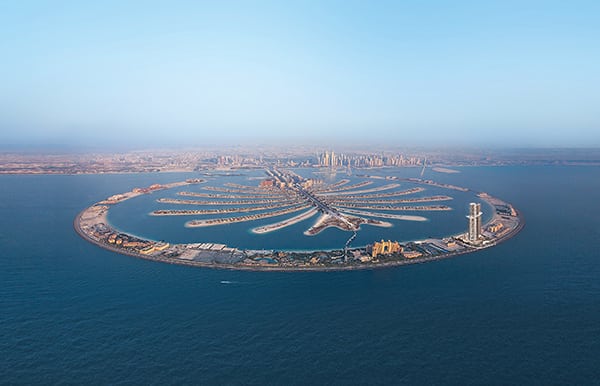
In terms of specific areas, the Palm Jumeirah remains notable. Property owners here exhibit minimal willingness to negotiate prices, resulting in many villas retaining their values from 2025. In contrast, branded residences tend to sell more quickly than traditional villas, although some listings experienced prolonged marketing times before transactions were completed.
Dubai Hills Estate has shown resilience, primarily due to consistent demand from end-users. While there has been a notable slowdown in the conversion rates for second viewings to offers, the market for both apartments and villas remains active, with transactions continuing at frequencies similar to pre-crisis levels.
Downtown Dubai is experiencing longer selling periods for premium properties, especially for apartments with views of the Burj Khalifa. A surge in repeat listings for two and three-bedroom units reflects an increase in supply; however, select high-end projects have seen slight price increases.
For Bluewaters Island, the limited supply keeps transaction periods relatively short. Even though the pace of sales has slowed, high-quality apartments have maintained their reference prices. Meanwhile, in Dubai Marina, properties with marina views tend to sell quickly if priced competitively. In contrast, older buildings and premium units are taking longer to market, with sellers frequently rotating through different agents.
Reasons for Price Stability in Dubai’s Property Market
Several key structural factors contribute to the resilience of property prices in Dubai. Notably, the dominance of cash buyers in prime segments means that many properties are not subject to the pressures of mortgage financing. This all-cash landscape allows sellers more flexibility during periods of uncertainty, reducing the necessity to sell at lower prices.
Additionally, healthy rental yields—averaging 7.10% as of March—provide an incentive for homeowners to hold onto their properties, further stabilizing prices. Even with the summer influx of expatriates leaving, rental rates in established neighborhoods have shown only marginal declines.
Owners are also anchored to their previous price points from 2025, when the real estate market witnessed remarkable growth. With over 270,000 transactions cumulatively worth AED 917 billion, selling below previous benchmarks during a temporary downturn negatively impacts owners’ perceptions of value.
Market Dynamics and Future Outlook
In terms of market dynamics, mortgage activity has seen a decline due to tightening underwriting standards. Cash transactions are expedited, often closing in as little as five to ten business days. This trend suggests that the luxury segment is increasingly becoming cash-driven, while mid-market buyers in the AED 1.5 to 4 million range have experienced more leverage compared to the previous year.
As we look ahead, the expectation is for prime property prices in Dubai to recover their trajectory if regional conditions stabilize. Should external pressures persist, longer marketing periods and strategic price reductions in secondary markets may occur, yet a broad price reset is unlikely. The resilience demonstrated during this period suggests that while transaction speeds are slower, the underlying ownership landscape remains robust.