
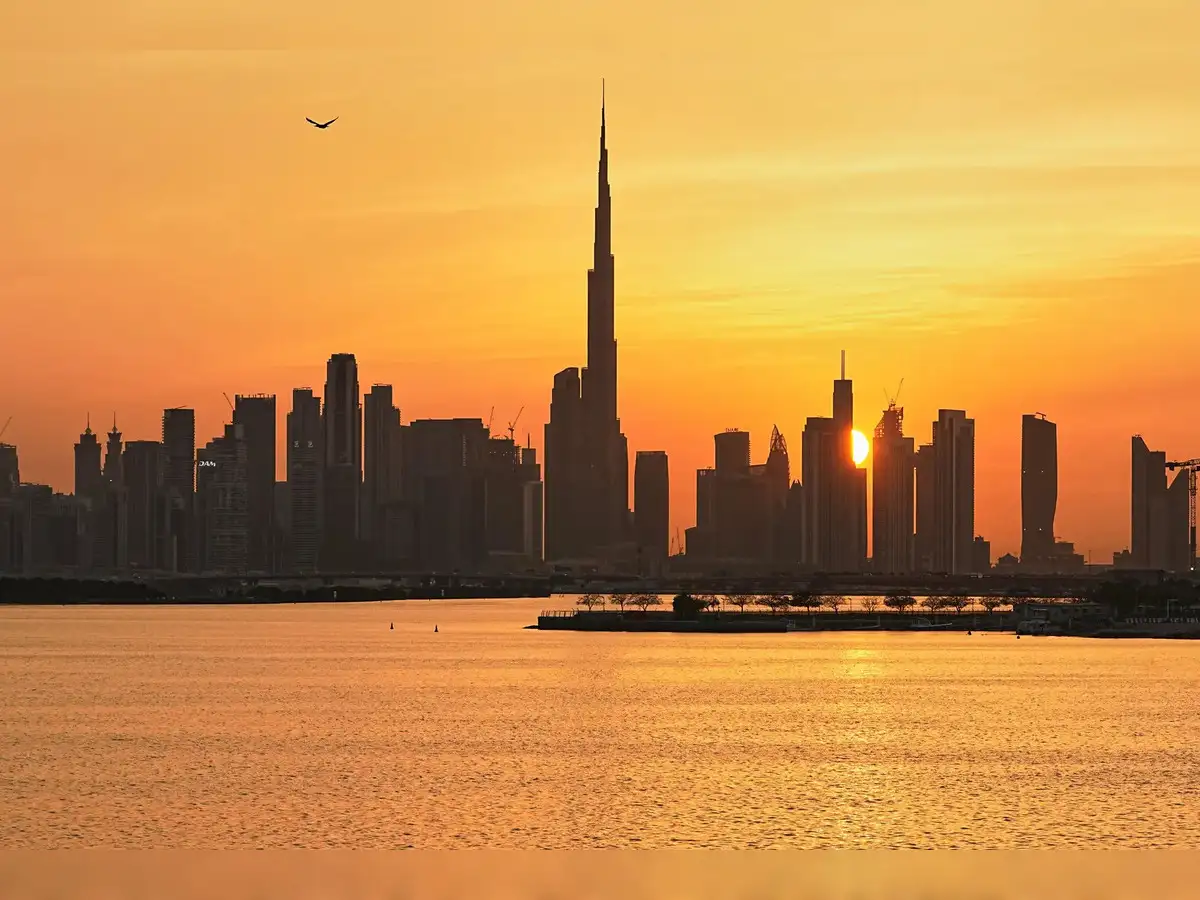
Dubai strategizes a revival as Iran conflict impacts its top market.
Dubai’s real estate landscape is undergoing significant changes, transforming from a thriving market into a cautionary tale amidst geopolitical tensions. With the escalation of conflict between the U.S. and Iran, the once-booming property market has seen a drastic downturn. Recent statistics highlight a staggering 89% reduction in property transactions, leaving many industry experts questioning the market’s future prospects.
Stark Decline in Transactions
Between February 28 and April 29, Dubai recorded only 26,960 real estate transactions, a sharp contrast to last year’s figure of 246,951 during the same period. This drastic drop is underscored by a 5.9% decline in the home price index, marking the first decrease since 2020, according to ValuStrat. Although the price index has bounced back to levels seen just six months prior, the softening in valuations raises concerns about the overall market health.
To combat the negative ramifications stemming from these recent events, Dubai is reshaping its residential property market. The emirate has eliminated the previously enforced AED 750,000 (approximately ₹1.9 crore) minimum property value requirement for a two-year residency visa. This strategic move aims to reinvigorate interest and bring in a new demographic of buyers as the uncertainty surrounding the U.S.-Iran situation lingers.
Changes in Visa Regulations
With the new regulations, individual property buyers can now bypass the hefty price point required for residency. However, there are adjustments for joint ownership: individuals must now invest at least AED 400,000 (approximately ₹1.03 crore) to qualify for residency. This shift is designed to attract mid-tier professionals rather than solely focusing on ultra-wealthy investors, thereby broadening the buyer base.
Real estate experts are optimistic about these changes. “While the new AED 400,000 minimum for joint ownership prevents the market from becoming a ‘visa-pooling’ scenario, it still opens doors for a wider range of buyers,” comments Ritu Kumar Ojha, CEO of Proact Luxury Real Estate. The alterations to visa requirements come at a time when buyers from countries like India and the UK are increasingly considering Dubai for residential investments.
Enticing Offers from Developers
In alignment with the relaxed regulations, property developers are ramping up their offerings. The year 2025 marked a record-high of $250 billion in real estate transactions, with Indian buyers representing 20% to 22% of that figure. Alongside impressive rental yields ranging from 6% to 9%, many view investments in Dubai as a hedge against currency fluctuations.
In March, developers launched special promotions to attract buyers, such as reduced payment plans and discounts. However, experts like Amit Goenka, CMD of Nisus Finance, caution that while these offers are enticing, developers may be hesitant to flood the market with inventory until stability returns. They are poised to strategically hold back assets to ensure long-term success.
Simplified Processes for Investors
Dubai is also making strides to streamline the investment process. Recent initiatives have unified real estate and residency services into a single platform, allowing prospective investors to navigate their applications without the complexities of dealing with multiple authorities. This integrated approach encompasses various residency schemes, from Golden Visas to Property Residency.
Officials are optimistic that the new system will enhance transparency and efficiency for prospective residents. By simplifying administrative hurdles, Dubai is working toward ensuring that the process of establishing residency is just as straightforward as acquiring property.
Looking Forward: What Lies Ahead
Industry leaders predict a “lean and challenging” summer ahead as the market grapples with these changes. According to Louis Harding, CEO of Betterhomes, demand may decrease due to slower population growth coupled with substantial housing supply. While some fluctuations can be attributed to temporary factors like public holidays and unusual weather, the overarching sentiment remains cautious. As Dubai navigates this transitional period, the long-term vision is to return to a sustainable market equilibrium.