
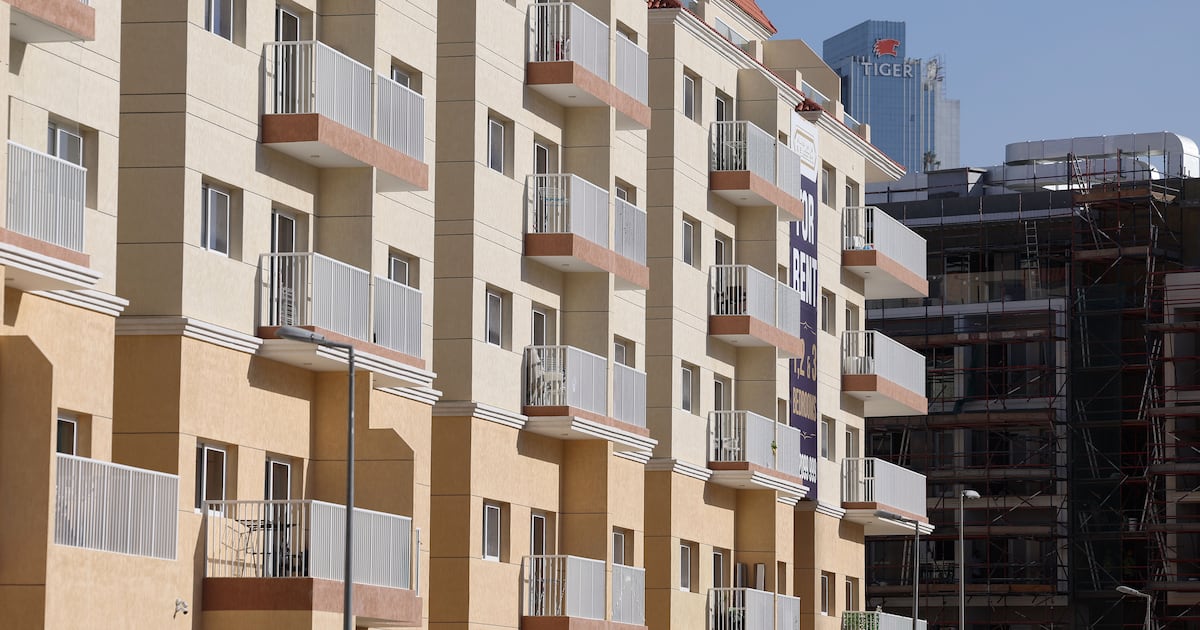
Revised Property Visa Regulations in Dubai to Boost Demand and Entice International Buyers
Dubai has recently updated its property investment requirements for individuals looking to obtain a two-year residency visa. This change is expected to stimulate interest among first-time buyers and investors, particularly in the affordable housing sector. Analysts anticipate these revisions will broaden access, making the Dubai real estate market more inclusive.
Lowering Barriers for Investors
The new regulations have made significant adjustments. The threshold for sole ownership has been entirely removed, while the minimum investment for joint ownership has been reduced from Dh750,000 (approximately $204,220) to Dh400,000 per investor. Alec James of Savills Middle East has pointed out that these changes are designed to facilitate entry for a wider array of buyers, specifically targeting first-time international investors and end users who may have felt previously excluded due to high costs.
Although the official announcement from the Dubai Land Department is pending, details have emerged via its Cube online platform. This digital resource aims to streamline the property acquisition process, ultimately expediting residency approvals for investors. By lowering the minimum investment necessary for visa eligibility, Dubai is not only expanding its market but also making it more accessible to a diverse demographic.
Impact on Market Demands
Experts predict a notable uptick in demand from first-time buyers and overseas investors looking for a stable long-term residence in Dubai. Farooq Syed, CEO of Springfield Properties, believes this will lead to increased interest specifically in studio and one-bedroom apartments in neighborhoods like Dubai Production City, International City, and Jumeirah Village Circle. Many of these potential buyers are anticipated to be from Arab and South Asian backgrounds.
Historically, properties valued under Dh750,000 comprise about 24% of housing transactions so far this year, highlighting a growing active interest in this segment. Notably, homes priced at Dh500,000 or lower account for approximately 8.6% of total sales. This sustained activity signifies that there is a robust demand for budget-friendly housing options.
Future Market Predictions
Although the initial response to these new regulations appears promising, market analysts such as Matthew Green from CBRE caution that meaningful long-term effects may take time to manifest. According to Green, while the changes remove crucial barriers to investment, the overall market must stabilize to fully realize these advantages.
CEO of Allsopp & Allsopp, Lewis Allsopp, echoed this sentiment, suggesting that the easing of investment requirements will likely attract more capital into the UAE, further bolstering the property sector. As Dubai welcomes numerous new property investors—29,312 in the first quarter alone—confidence in the market appears to be gradually building.
The emirate’s property market continues to exhibit resilience, despite regional tensions impacting perception. Recent government data shows a significant increase in both the volume and value of property transactions, reaching Dh252 billion in the first quarter, a 31% jump from the previous year. However, it’s worth noting that March saw the first decline in property prices since the pandemic, indicating that while the fundamentals are shifting positively, volatility still exists.
Overall, Dubai’s steps toward lowering investment thresholds will likely have a lasting impact on the real estate landscape. By making property ownership more attainable, especially for first-time investors, the city is poised to become an even more attractive locale for those looking to invest in real estate or find a permanent residence.