
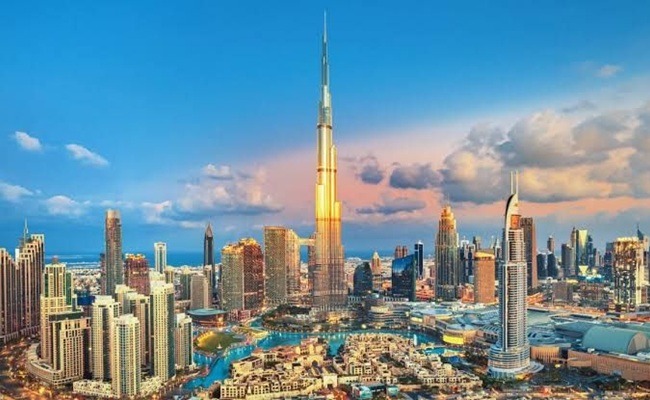
Dubai Real Estate: Confronting Credibility Challenges Post-Conflict
Dubai has long been celebrated for its thriving real estate and tourism sectors, making it an attractive destination for billionaires and investors alike. Over the years, this vibrant city has transformed from arid desert into a top-tier real estate market known for luxury living and remarkable infrastructure. As many global citizens seek investment opportunities and a high-quality lifestyle, the evolving landscape of Dubai’s property market has become a focal point for discussion.
The Impact of Residency Regulations on Real Estate
Unlike many western nations, the United Arab Emirates (UAE) does not offer citizenship to foreigners. Even long-term residents, including those born in the country, are not guaranteed citizenship. Most expatriates live and work in Dubai on renewable residence visas, typically updated every two years. To attract significant investors, the government has introduced the Golden Visa program, which allows long-term residency for property purchasers and other investors. This visa can extend up to ten years and has piqued the interest of many international buyers, serving as a key driver for the real estate sector.
Additionally, the city’s allure is heightened by its tax-free environment, making it a safe haven for those looking to safeguard their wealth while enjoying a high standard of living. Despite the relatively high cost of living, Dubai continues to attract investors due to its reputation for safety and economic prosperity.
Challenges Faced by Dubai’s Real Estate Market
However, recent geopolitical tensions, particularly the situation with Iran, have disrupted Dubai’s perception as a secure investment hub. The conflict has raised doubts about safety, leading to anxiety among both residents and potential investors. While the precise impact of the conflict has been difficult to quantify, the psychological ramifications have undeniably cast a shadow over Dubai’s previously unassailable image.
For the city’s real estate sector, this newfound uncertainty presents a complex set of challenges. Trust, once lost, is hard to regain. International investors may hesitate before committing new funds, potentially leading to a slowdown in property sales. The government now faces significant financial pressures to repair any damage incurred while also reinforcing infrastructure and security systems.
Moreover, this dichotomy forces policymakers to tread carefully. Introducing taxes to bolster revenues could deter more affluent investors who were drawn to Dubai’s tax-free model, while avoiding taxes could escalate the financial burden on the nation. The subsequent repercussions on property pricing add another layer of complexity; developers might increase prices to cover rising costs, which could drive buyers away. Conversely, reducing prices to stimulate demand could financially strain realtors.
Resilience in Adversity
Dubai has a storied history of resilience; it has navigated financial crises and geopolitical turmoil before, often emerging stronger as a result. History indicates that peace and stability tend to return after conflicts, and the local leadership has consistently demonstrated a robust capacity for economic recovery and adept governance. While rebuilding trust in global markets may require patience and strategic innovation, the ruling authorities in Dubai and Abu Dhabi have a long track record of effective governance.
Though the current climate poses challenges, it can also serve as an opportunity for renewal. With a commitment to resilience and innovation, the city that once sprouted from desert sands may just find its way back to prominence in the global real estate market once again. Investors can remain hopeful that, despite the difficulties ahead, Dubai’s enduring spirit will prevail, allowing the city to reinvent itself yet again.