
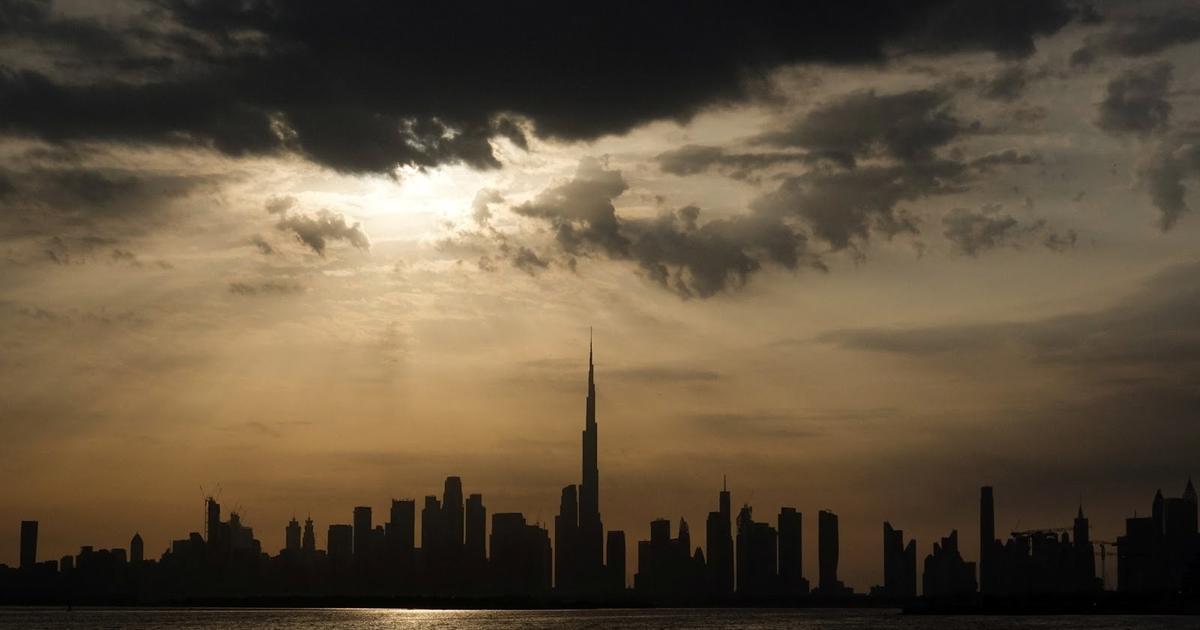
Dubai’s Real Estate Market Shows Signs of Weakening
Dubai’s long-standing property surge was bound to cool off at some stage. However, recent Iranian assaults on the city are now contributing to this decline, jeopardizing both residential and commercial real estate prices, along with the livelihoods tied to the sector.
Overview of Dubai’s Real Estate Market
According to the Dubai Land Department, in the previous year, over 270,000 properties, valued at approximately 917 billion dirhams (around $250 billion), changed hands in a city populated by 4 million residents. The market momentum persisted well into early 2026. However, on February 28, tensions escalated as Tehran launched retaliatory strikes in response to actions by the US and Israel against Iran, disrupting the real estate landscape.
Impact of Recent Events on Property Sales
As reported by business news outlet AGBI, there was a staggering 30% decline in sales volumes in March compared to the preceding month. While prices have remained stable—largely due to pre-established agreements made prior to the escalation of conflict—new transactions are now expected to reflect more significant price cuts. Buyers are increasingly demanding discounts of up to 30% as market fear takes hold.
Commercial Real Estate Challenges
The commercial real estate sector is feeling the strain as well. With fewer tourists visiting and remote work diminishing consumer spending, hotels have particularly suffered. Data indicates that hotel occupancy rates in Dubai plummeted to just 16% for the week ending March 14, a drastic drop from the normal 90%. In response, many luxury hotels, especially those on Palm Jumeirah, have had to implement substantial price reductions, slashing rates by as much as 50% to entice remaining guests.
Future Outlook for Dubai’s Hospitality Sector
Looking ahead, experts expect a shift in focus towards domestic travelers and ‘staycations.’ Faisal Durrani, head of research at Knight Frank MENA, noted that this approach mirrors strategies used during the pandemic, suggesting a temporary pivot that aims to stabilize the struggling hospitality sector. The ability of Dubai’s real estate market to rebound will heavily depend on broader geopolitical conditions and restoration of consumer confidence.
In this evolving landscape, both residential and commercial sectors must adapt to these challenges while navigating the fluctuating dynamics of the global market. As buyers become more cautious and demand discounts, the longevity of Dubai’s real estate resilience will be put to the test. As it stands, the interplay between local consumer behavior and international relations will play a crucial role in determining the future health of Dubai’s property markets.