
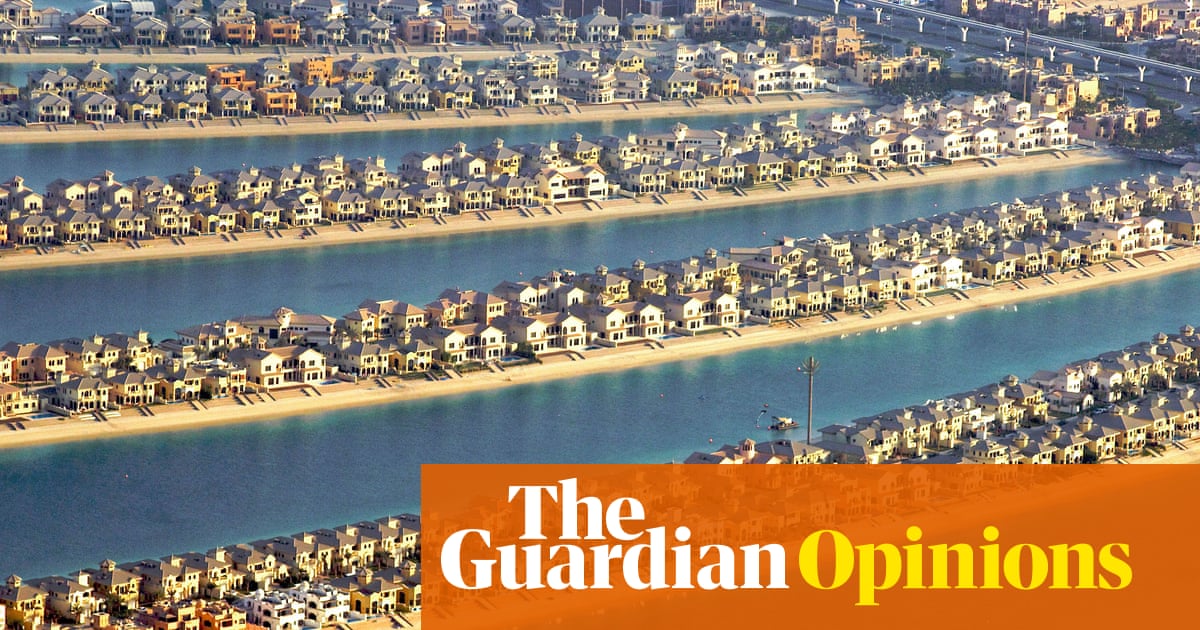
Expat influencers promoted Dubai, now facing harsh realities.
In recent times, reactions towards Australian and British expatriates and influencers residing in Dubai have raised eyebrows, especially against the backdrop of ongoing conflicts. While many express indifference or even disdain, the situation has sparked significant media attention and discussions about the implications of living amidst luxury while ignoring the realities of war.
Responses from Home Countries
After the initial strikes in Dubai, expats found themselves in a precarious situation, facing a wave of mockery back in their home countries. UK Liberal Democrat leader Ed Davey was particularly vocal, criticizing “tax exiles” who allegedly flee to Dubai only to demand rescue from their homeland during crises. During a segment on Good Morning Britain, host Susanna Reid provocatively suggested that those who relocated for tax benefits should shoulder the costs of their own evacuation, reinforcing the sentiment that their wealth makes them less deserving of aid.
The Reality of the Situation in Dubai
Shona Sibary, a British journalist, highlighted the absurdity in her piece where she described feeling “trapped and under attack” while lamenting trivial personal issues occurring back in the UK. Meanwhile, Australian influencer Louise Starkey faced public ridicule for expressing disbelief that conflict could reach her newly adopted home. Her comments underscore a stark contrast between the idyllic lifestyle often portrayed in Dubai—where opulent living and leisure dominate—and the harsh realities of war that threaten those very comforts.
Despite its image of safety and luxury, Dubai exists just a stone’s throw away from regions beset by conflict, such as Gaza. The city’s allure is built on a façade that conveniently overlooks the suffering occurring nearby. This blindness is crucial to Dubai’s identity, reflecting a broader social contract where residents and visitors are encouraged to revel in excess without confronting the moral dilemmas tied to its development.
The Contradictions of Dubai’s Appeal
Dubai’s tourism and expatriate culture thrive on a curated representation of life that excludes the darker realities behind its construction. The so-called golden visa holders, comprising influencers and affluent expats, showcase an aspirational narrative that glosses over the troubling labor practices underpinning the city. Many influencers are effectively silenced from discussing human rights abuses, including the exploitation of migrant workers who built the very structures they celebrate.
Urban theorist Mike Davis once characterized Dubai as an “evil paradise,” a theme echoed by critics today. The juxtaposition of excess—luxurious hotels, extravagant shopping, and indulgent dining—against the backdrop of suffering becomes more apparent during conflicts. While influencers paint a glamorous picture of life in Dubai, those affected by the city’s development—often the migrant workers—remain unseen and unheard.
As the realities of conflict materialize, the once-hidden tensions between lifestyle and moral accountability are thrown into sharp relief. The perception of influencers as self-serving mirrors a growing cynicism toward their role in society, raising questions about authenticity in an age defined by curated online personas.
People often overlook that the very expanse of Dubai’s luxury is propped up by the labor of those who can’t afford to flee when disaster strikes. As the international spotlight shines on the contradictions and vulnerabilities exposed by the current geopolitical climate, it becomes evident that the allure of a carefree life in Dubai may be built on the suffering of many.