
Iranian Strike Debris Hits Oracle in Dubai: Tech Firms Targeted
Debris from a downed drone recently collided with a building that houses Oracle’s offices in Dubai, resulting in minor damage but thankfully no casualties. This incident marks a notable increase in tensions as Iran intensifies its efforts to target American technology firms. The Iranian government has accused these companies of facilitating military operations, transforming data centers and cloud facilities into potential targets in modern warfare.
Recent Drone Attack on Oracle’s Dubai Office
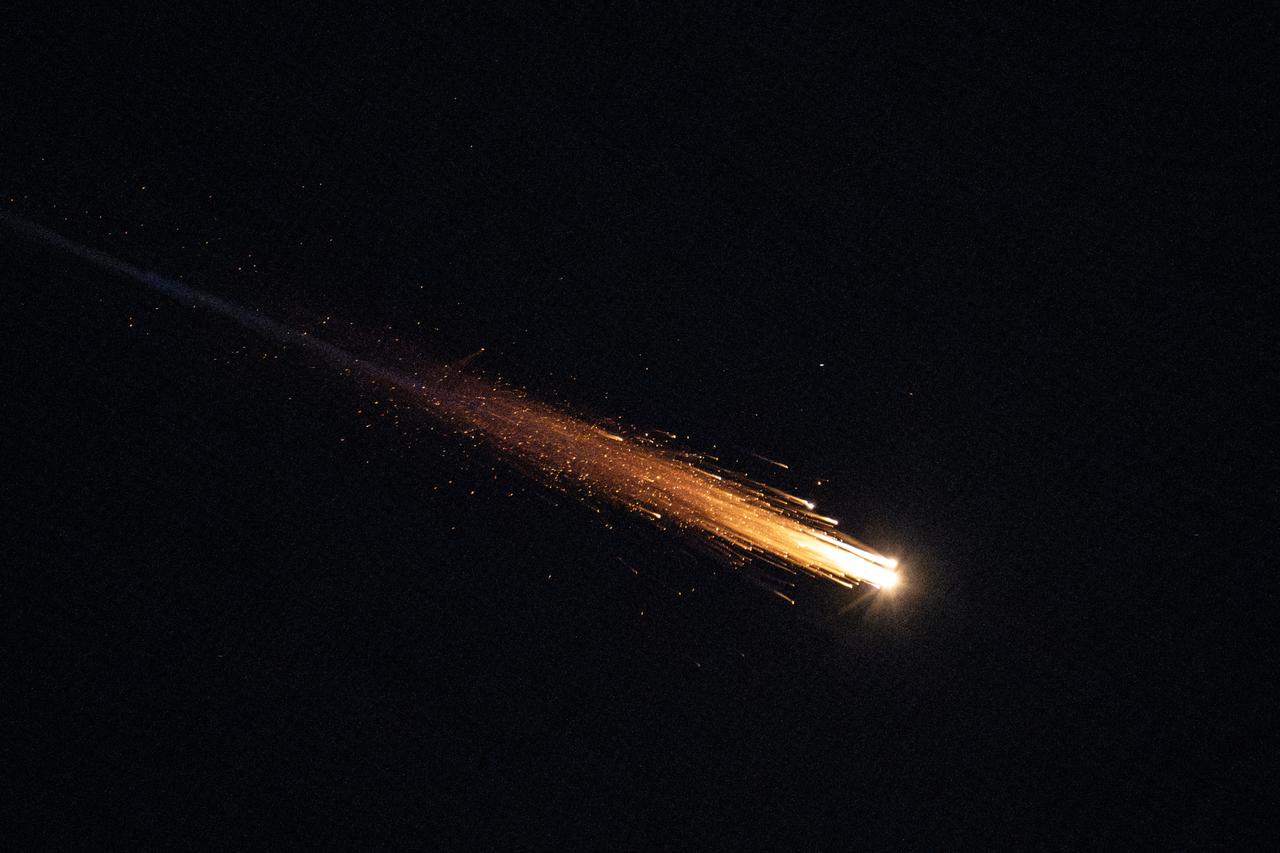
On Saturday, authorities reported that debris fell from an aerial interception onto the facade of a structure in the Dubai Marina area, confirmed to be operated by Oracle. The Dubai Media Office stated that emergency services responded to the situation; however, no injuries or fires occurred during the event. It’s important to note that Dubai previously dismissed Iranian claims of an attack on an Oracle data center, highlighting the ongoing conflict narrative.
The incident underscores a more troubling trend where technology infrastructures are becoming part of the battlefield. This event stands out as the first instance of such strikes on tech facilities, indicating a dangerous shift in military strategy. With data centers increasingly integral to information warfare, this raises awareness about the vulnerabilities present in modern technology ecosystems.
IRGC’s Threats Against U.S. Technology Firms
The Islamic Revolutionary Guard Corps (IRGC) has explicitly targeted Oracle’s infrastructure in the UAE, reportedly in retaliation for the recent wounding of a high-ranking Iranian official. The IRGC has proclaimed its intention to begin attacks on U.S. companies in the region, identifying Oracle among 17 corporations it accuses of being complicit in “terrorist espionage.” As tensions rise, the IRGC has warned employees affiliated with these tech firms to evacuate their positions, further escalating the situation.
Oracle co-founder Larry Ellison’s ties to U.S. politics could also amplify the gravity of this conflict. His close association with the current government may position Oracle as a significant target in this digital warfare landscape. As the IRGC communicates its intention to focus on American technology firms, understanding the stakes becomes critical for businesses operating in the region.
Data Centers: New Frontiers in Modern Warfare
The involvement of data centers as military targets is unprecedented, marking a pivotal moment in how conflicts unfold. Recent attacks have previously impacted AWS facilities across the UAE and Bahrain, suggesting a calculated effort to disrupt U.S. technological dominance. As both Iran and the U.S. increasingly integrate AI and cloud computing into their military operations, these data centers stand vulnerable.
The central role played by companies in intelligence and military logistics signifies their importance in contemporary conflicts. Notable projects like Israel’s “Nimbus Project” further illustrate how technological partnerships between governments and tech giants create complex ramifications in warfare. As cybersecurity becomes ever more critical, threats against data infrastructure raise alarm about its potential impact on global military strategies.
Implications for Gulf Region Tech Investments
The fallout from these strikes poses substantial risks to billions invested in Gulf technology. Major U.S. tech companies have rapidly expanded their presence in the Middle East, lured by opportunities to develop data centers and AI infrastructure. The proposed “Stargate UAE” project, a collaborative effort involving firms such as Cisco, OpenAI, and Nvidia, exemplifies the scale of investment at stake, with an anticipated budget of $30 billion.
Furthermore, Google’s $10 billion investment alongside Saudi Arabia’s sovereign wealth fund for cloud development in the region underscores the strategic importance of this area for global tech giants. With the Iranian military widening its target list, vulnerabilities in such facilities raise critical questions about the feasibility of sustaining technological infrastructure amidst escalating hostilities.
As the nature of warfare evolves, the need for robust security measures and crisis preparedness in the tech sector becomes imperative.