
Will Dubai Endure the Conflict in Iran?
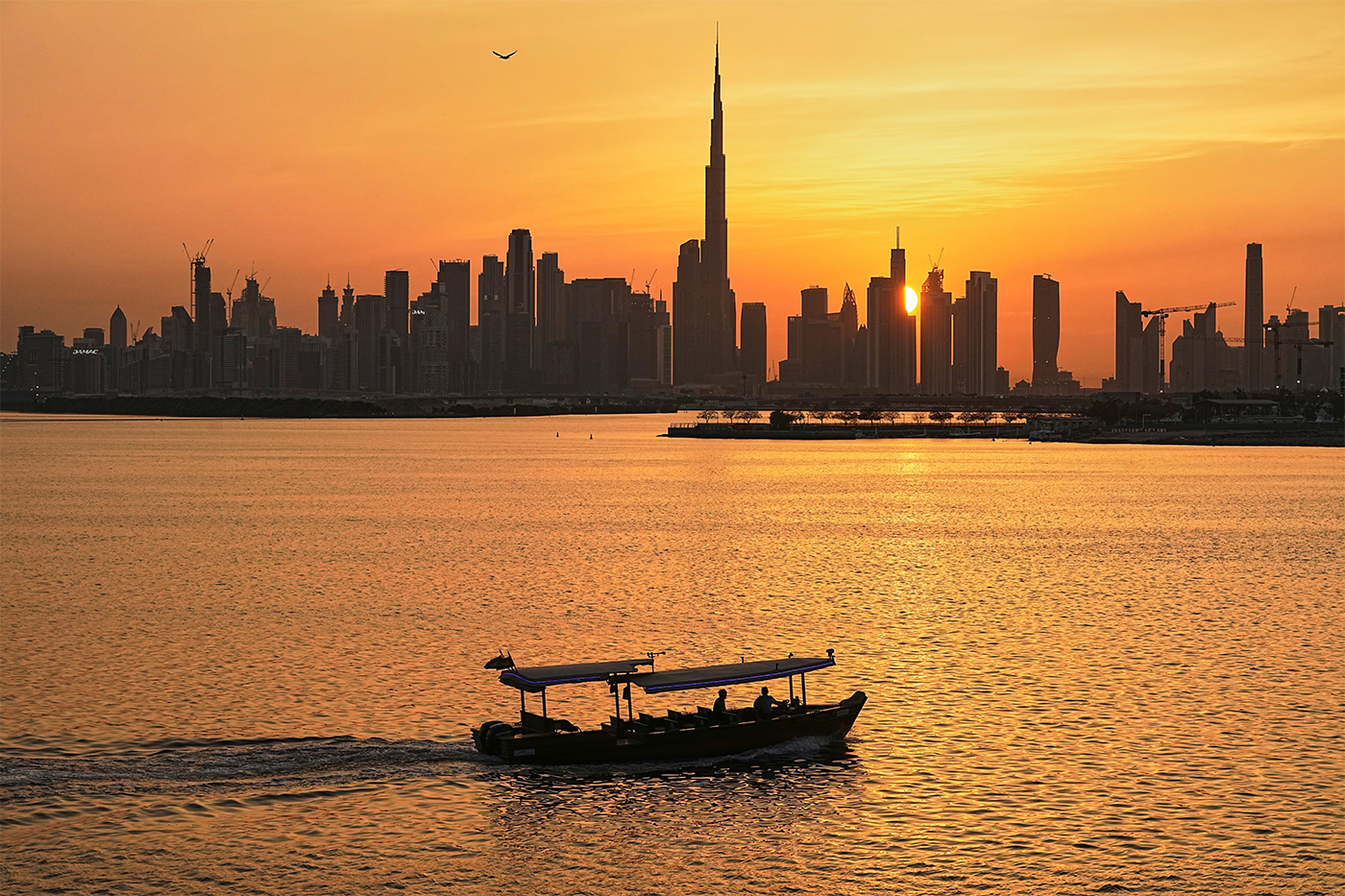
In just under a century, Dubai has transitioned from a modest fishing and trading hub to a remarkable center famed for its towering skyscrapers, luxury islands, and bustling trade ports. This transformation has drawn global attention and wealth, but the city now faces significant sustainability challenges exacerbated by regional conflicts, particularly the ongoing situation in Iran.
Dubai’s Growing Vulnerabilities
Experts warn that Dubai’s impressive global image, characterized by its business-friendly environment and vibrant tourism sector, may be at risk. Jonathan Rock Rokem, an associate professor of politics and sustainability at Northeastern University London, highlights that while the city has successfully marketed itself as a premier destination for travelers and investors, concerns persist regarding its stability, largely due to tensions with Iran. “There’s always the chance that Iran could disrupt their carefully crafted reputation,” Rokem notes.
According to Serena Alexander, who teaches public policy and civil engineering, Dubai’s dependencies on foreign investment and tourism expose it to financial vulnerabilities. The city relies heavily on petro-dollars and external economic forces to sustain its rapid growth. “If any of these factors were to fluctuate or decline, the repercussions on the local economy could be substantial,” she explains.
The Challenge of Scarcity
The discovery of oil in 1966 marked a significant turning point for Dubai, propelling it into a luxury destination through strategic investments and the establishment of free trade zones. However, this rapid development has not come without consequences. The lack of natural resources, particularly fresh water, presents a formidable challenge for the city, especially in light of geopolitical instability. “Unlike cities like London or New York that benefit from rivers, Dubai primarily relies on desalination, which is energy-intensive and environmentally taxing,” Alexander states.
Moreover, the city’s architectural marvels demand colossal amounts of energy. As noted by Alexander, the initial focus on aesthetics rather than energy efficiency has resulted in high reliance on air conditioning and engineering solutions for cooling. Compounding the problem is that Dubai’s energy supply predominantly comes from fossil fuels like oil and natural gas, according to the International Energy Agency. As regional conflicts disrupt oil trade, the specter of an energy crisis looms large.
A Path Towards Sustainability?
Recognizing these vulnerabilities, Dubai is taking steps to promote energy diversification and develop sustainability initiatives. However, skepticism remains regarding whether technological advances can adequately offset the city’s natural resource limitations. “Currently, we’re witnessing a paradigm shift from merely aiming for sustainability to fostering true regeneration,” Alexander adds. The emphasis is now on understanding the long-term implications of urban design and the environmental impact of technological over-reliance.
Both Rokem and Alexander believe that the future will increasingly demand caution in decision-making processes, especially concerning technological solutions that may not align with sustainable practices. This cautious approach reflects a broader trend among urban planners and environmentalists who are advocating for more thoughtful and environmentally sound designs in urban development.
The road ahead for Dubai is fraught with challenges, but it also offers an opportunity for the city to redefine its approach to growth and sustainability in an increasingly complex world. The pressing questions remain: Will Dubai’s initiatives be sufficient to secure its future, and can it thrive in an era where environmental concerns are at the forefront of global discourse?