
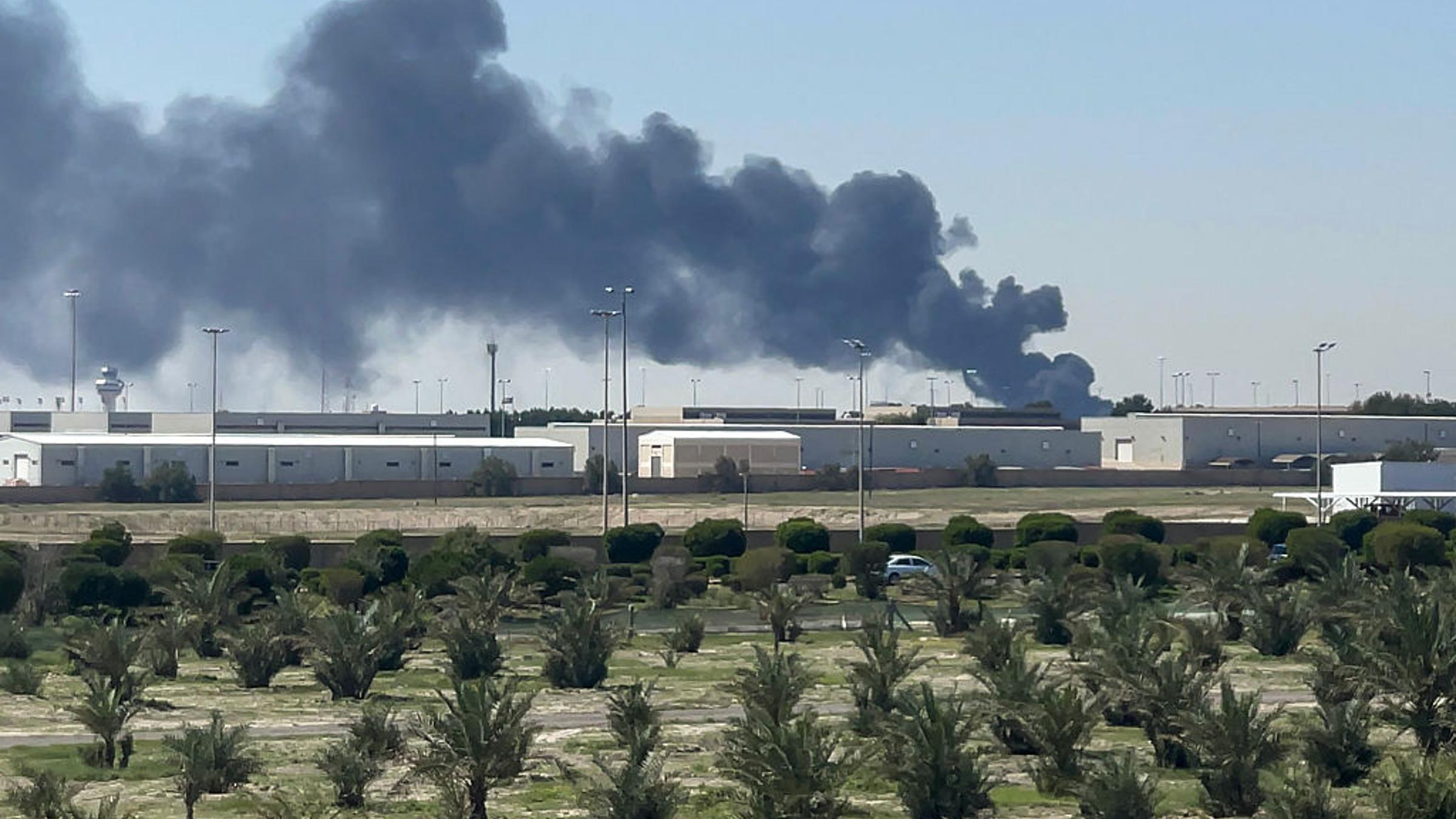
Iran Warns of Actions Against American Tech Companies
The recent advisory from the Islamic Revolutionary Guard Corps (IRGC) has raised significant concerns regarding the safety of employees and residents in proximity to several major tech companies. With a directive for immediate evacuation from a one-kilometer radius surrounding these institutions, the implications suggest a targeted approach by the IRGC, primarily aimed at tech infrastructure in the Middle East.
Targets of the Advisory
The IRGC explicitly urged workers at listed companies to vacate their workplaces without delay. Residents living near these tech firms are similarly advised to take precautions and evacuate from a specified distance. The advisory hints at potential actions against the infrastructure of these companies in various Middle Eastern nations, rather than in the United States. Such statements add an air of unpredictability and risk in an already sensitive geopolitical landscape.
A List of Companies at Risk
Among the companies named in the IRGC advisory are prominent names like Cisco, HP, Intel, Oracle, and Microsoft, as well as industry giants like Apple, Google, Meta, IBM, Dell, Palantir, Nvidia, JP Morgan, Tesla, General Electric, and Boeing. Additionally, two companies based in the United Arab Emirates were highlighted: G42, an AI firm from Abu Dhabi, and Spire Solutions, a cybersecurity entity based in Dubai. The inclusion of such influential companies underscores the potential severity of repercussions in the tech sector.
Reactions from the Companies
Media outlets like TIME have sought comments from the mentioned firms regarding the IRGC’s advisory. While direct statements may be limited, the corporate response to such advisories can significantly influence public perception and investor confidence. Any information or clarification provided by these companies would be vital in assessing the extent of their involvement in the region and mitigating potential fallout.
Connections to Israel
Most of the aforementioned companies maintain operations or commercial connections with Israel, although many of them have disputed allegations suggesting their technology is employed for military purposes. Notably, several firms, including Palantir, Microsoft, Google, IBM, and G42, have established links with Israeli military entities. For instance, Palantir’s Executive Vice President disclosed a partnership with the Israeli Defense Ministry to supply advanced technology for military operations in 2024, further complicating the narrative around these companies’ roles in the region.
As the situation evolves, the global tech community is keenly watching for any developments. The interplay of geopolitical tensions and corporate involvement may shape future strategies for both the companies involved and the countries that host them. In this high-stakes environment, understanding the implications of such advisories is essential for stakeholders worldwide.