
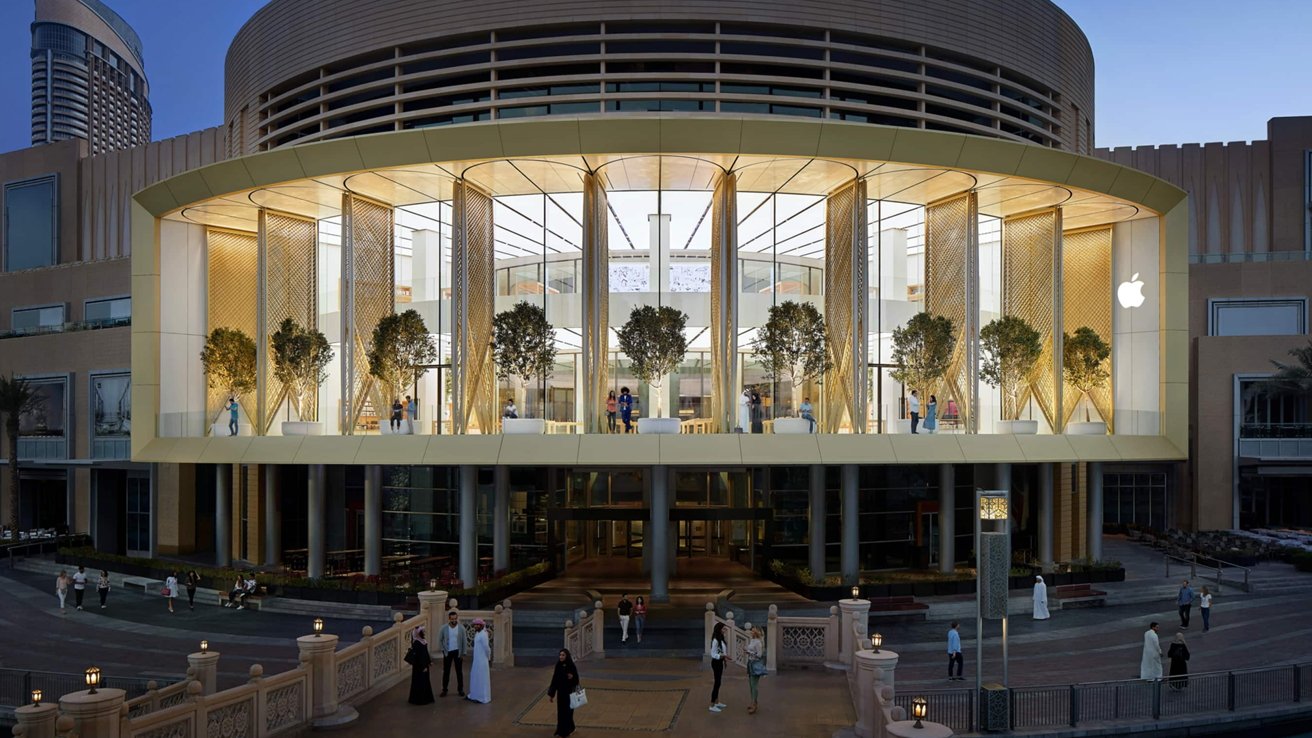
Iran aims to target Apple and local tech firms.
The recent surge in tensions has led Iran’s Islamic Revolutionary Guard Corps (IRGC) to expand its list of potential targets, notably including 18 prominent U.S. companies. This development follows a series of strikes that resulted in fatalities among Iranian citizens, heightening concerns over retaliatory actions.
Targeting Major U.S. Corporations
Among the companies named by the IRGC are leading technology firms such as Apple, Cisco, Google, IBM, Meta, Microsoft, Nvidia, and Tesla. Following this announcement, employees and residents near the companies’ regional offices have been advised to evacuate to safe zones located at least one kilometer away. In the case of Apple, the caution extends to its retail outlets as well, reflecting the seriousness of the situation.
The IRGC’s accusations are stark: they allege that these corporations are behaving as collaborators or “spies.” In a message shared via the Telegram App, the IRGC expressed outrage at what they view as a violation of their sovereignty, citing civilian casualties as a direct consequence of U.S. and Israeli military operations. This tense climate indicates that the corporations in question are viewed less as commercial entities and more as integral components of military efforts against Iran.
The Rationale Behind the Threats
The IRGC’s statement emphasizes their perception that American Information Communication Technology (ICT) and Artificial Intelligence (AI) companies play a crucial role in facilitating attacks against Iran. By labeling these entities as legitimate targets, the IRGC signals a shift in tactics, aiming to deter future actions by directly threatening those they believe enable military aggression. This aggressive stance indicates that the IRGC is prepared to adopt a more confrontational approach to safeguard their national interests.
In addition to the tech giants, the list of targets includes defense contractors such as Boeing and financial institutions like J.P. Morgan. This broad targeting strategy underscores the IRGC’s intention to encompass a wide array of industries, suggesting that retaliatory measures may not be limited to just tech firms.
Impact on Corporate Operations
The rising tensions have already impacted corporate operations in the region. Earlier this year, Apple temporarily shut down its retail locations in the United Arab Emirates amidst the escalating conflict. Although the Apple store in the Dubai Mall is currently open, there’s a palpable sense of uncertainty about whether it will remain operational. As the situation continues to deteriorate, it is plausible that these stores might face closures again.
Beyond retail, Apple maintains a significant research and development center in Herzliya Pituach, Israel, as well as various administrative offices in Dubai. The security implications for these facilities are considerable, as they may now be viewed as high-value targets in the eyes of the IRGC.
In conclusion, the IRGC’s announcement reflects a dangerous escalation in regional hostilities, affecting multinational corporations operating in and around the Middle East. As tensions rise and the threat landscape evolves, many in the West and beyond will be closely monitoring the situation for signs of further volatility. The targeting of significant American corporations serves as a stark reminder of the complexities involved in international relations and the precarious balance of power in the region.