
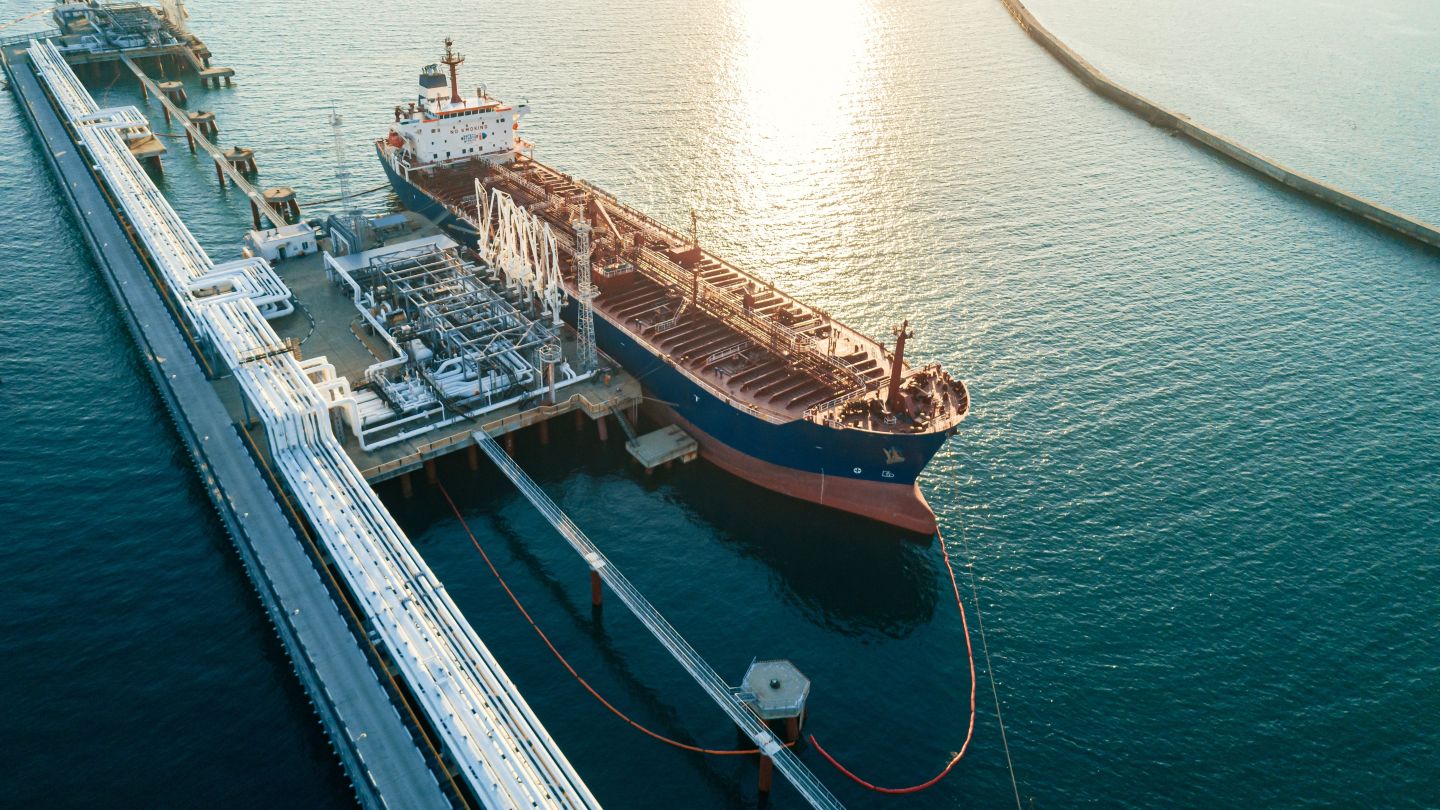
Iranian drone attack ignites Kuwait-flagged tanker near Dubai
Iran has escalated tensions in the Gulf by attacking the Kuwait-flagged oil tanker Al-Salmi, setting it ablaze off the coast of Dubai. This incident highlights the worsening geopolitical situation in the region, prompting renewed concerns over energy security.
The Attack on Al-Salmi: A Troubling Development
On a Monday that has now raised international alarm, a drone strike attributed to Iran targeted the Al-Salmi, a vessel capable of transporting around two million barrels of crude oil valued at more than $200 million. This assault occurred despite warnings from U.S. President Donald Trump regarding possible military action against Iranian energy facilities, should Iran refuse to keep the Strait of Hormuz open.
The Al-Salmi tanker, owned by Kuwait Petroleum, is currently undergoing assessments to understand the extent of the damage inflicted. Concerns regarding potential oil spills have also been voiced by the company. Fortunately, local authorities in Dubai were able to control the fire resulting from the attack, and, as of now, there have been no reported injuries.
Wider Implications of the Escalating Conflict
This incident is just one in a string of attacks on commercial vessels since early February, coinciding with increased military actions from the U.S. and Israel against Iranian targets. The ongoing conflict has intensified throughout the Middle East, leading to significant casualties, disruptions in energy supplies, and a threat to global economic stability.
The immediate aftermath of the attack saw a spike in crude oil prices, which temporarily rose in response to the ongoing turmoil. In the U.S., gasoline prices have now surpassed $4 per gallon for the first time in over three years, as global supply constraints contribute to an increase in crude oil prices above $101 per barrel. This situation underscores the far-reaching ramifications of geopolitical tensions on global markets.
Regional Responses and Ongoing Hostilities
As the situation deteriorates, Iranian-aligned Houthis have launched missile and drone attacks aimed at Israel. These provocations have further escalated tensions in the region. Türkiye reported intercepting an Iranian ballistic missile that briefly crossed its airspace, while NATO air defenses were involved in neutralizing the threat. Alongside these developments, Israel has executed missile strikes on Iranian military targets and Hezbollah sites in Beirut, creating distressing scenes and plumes of smoke over the Lebanese capital.
The Bazan Group recently acknowledged that its Haifa oil refinery was adversely affected during Iran’s latest missile barrages targeting Israel. Early reports indicated that the industrial district faced disruption, either from direct impacts or dropped debris. Fortunately, Haifa’s municipality confirmed that no hazardous material leakage occurred, assuring the public that they remained safe.
In conclusion, the recent attack on the Al-Salmi oil tanker represents a troubling addition to an already volatile situation in the Middle East. With regional powers entangled in conflicts and the global economy feeling the pressure, solutions to mitigate these tensions are becoming increasingly urgent. The international community must closely monitor developments to ensure energy security and stability in this crucial region.