
Can Dubai’s real estate brand endure amidst conflict?
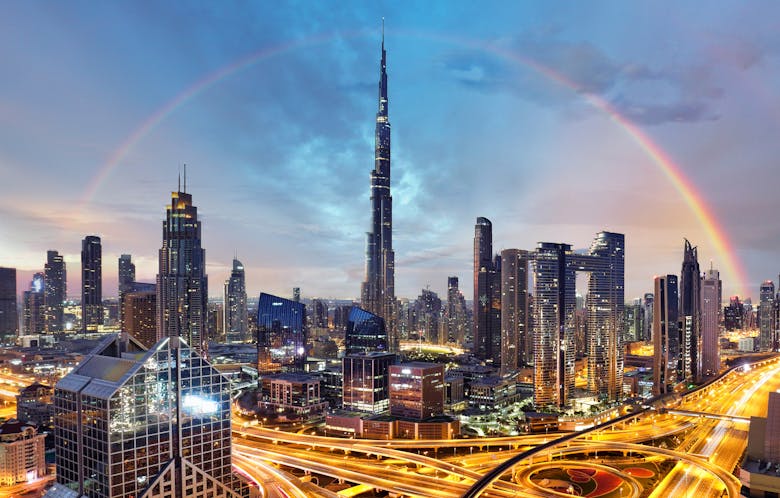
Dubai, once a modest fishing and pearling village, has transformed into a prominent financial and tourism center in the Middle East, as noted by Professors Hassan F. Gholipour and Mohammad Reza Farzanegan. This dynamic emirate is the second-largest in the United Arab Emirates (UAE) and has built its economic prowess on the promise of stability amid regional turbulence. However, as tensions escalate between the United States, Israel, and Iran, Dubai’s reputation as a secure investment haven faces significant challenges.
The Economic Pillar: Real Estate
A central component of Dubai’s economy is its booming real estate sector, which significantly bolsters the emirate’s GDP. Currently, real estate and construction contribute approximately 15% to Dubai’s gross domestic product. The city has emerged as a prime destination for international property investors, thanks to its enticing rental yields, tax incentives, and a welcoming property market. Notably, foreign investors have various avenues to gain residency through property investment, further enhancing Dubai’s appeal.
In 2022, foreign investment in Dubai’s real estate accounted for about 25% of the UAE’s overall foreign investments. Nations such as India, the UK, Pakistan, Saudi Arabia, and Iran top the list for residential, commercial, and land investments in Dubai. Interestingly, Australian investors owned nearly 1,500 residential properties in 2022, collectively valued at over $785 million, highlighting the emirate’s broad international appeal.
Threats to the Dubai Brand
Recent escalations have brought unprecedented threats to Dubai’s identity. Missiles and drones have targeted prominent landmarks, including the iconic Burj Al Arab and Dubai International Airport. This raises a significant question: can Dubai’s real estate sector endure a loss of its “safe haven” status?
As investor confidence begins to wane, a “risk-off” mood appears to be settling in, with buyers gravitating towards safer assets. Reports indicate that property transactions in Dubai plummeted by 50% in the initial week of escalating conflicts. Similar trends are evident in Dubai’s stock market, where the Real Estate Index dropped over 17% during those uncertain days.
Exposing Vulnerabilities in Dubai’s Economy
Dubai’s reliance on foreign confidence is stark. An impressive 90% of its residents are expatriates, emphasizing the city’s openness to global talent. Approximately 43% of the residential property value is owned by foreign nationals. Historically, the property market has shown resilience, bouncing back post the 2008 financial crisis and even recovering relatively quickly from the COVID-19 pandemic. However, the current challenges stem from security concerns rather than just economic fluctuations, placing Dubai’s viability at risk if safety becomes a predominant worry for its residents.
Potential Consequences: An Expat Exodus and Market Challenges
In recent years, Dubai has attracted a considerable influx of wealthy expatriates. However, recent events have prompted an uptick in demand for private jets as some look to exit the region. Major financial institutions are taking precautions, with Citigroup and Standard Chartered reportedly evacuating staff in light of increasing hostilities. The timing of this unrest compounds existing concerns about an overheated property market, with a surge of new residential developments set to enter the market soon. If interest from foreign buyers diminishes, Dubai could soon face an oversupply of high-end properties.
The ongoing conflict underscores a pivotal moment for Dubai. The very aspects that have historically defined its brand may now pose challenges as international investors seek safer alternatives. Future economic stability in the region will hinge on rebuilding trust and enhancing security across borders. Addressing these challenges collaboratively among Gulf states will be essential to restoring confidence in an ever-changing landscape.