
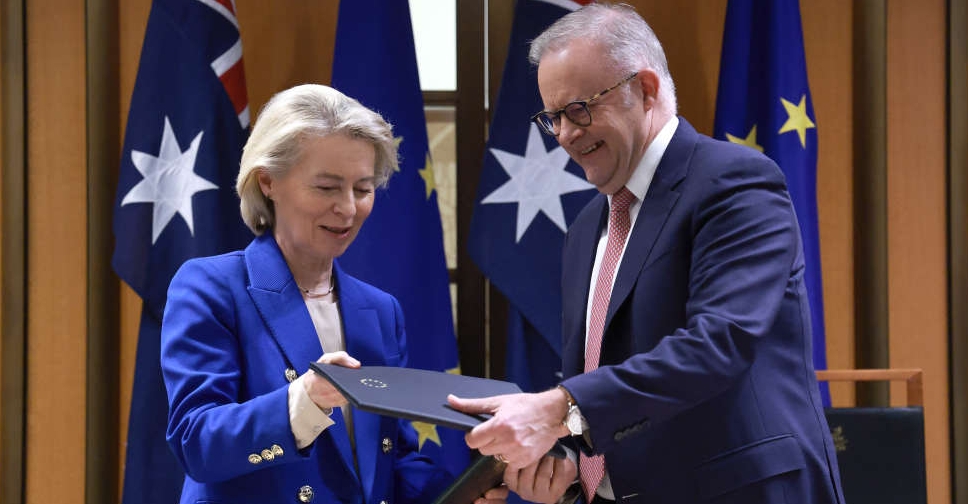
Australia and EU finalize much-anticipated trade agreement
Australia and the European Union have officially formalized a trade agreement, concluding an extensive negotiation process. This significant development not only strengthens ties between the two regions but also highlights Europe’s intention to broaden its export markets beyond its conventional allies.
Background of the Trade Negotiations
The journey towards this trade deal has been a lengthy one, spanning multiple years and involving numerous discussions between Australian and EU officials. The backdrop of these negotiations is rooted in Europe’s strategy to diversify its economic partnerships, especially in light of changing global trade dynamics. By entering into a trade agreement with Australia, the EU aims to enhance its economic footprint in the Asia-Pacific region, thereby reducing dependency on traditional trading partners.
Key Benefits of the Agreement
This trade deal promises a plethora of benefits for both Australia and the European Union. For Australia, it opens doors to new markets for its agricultural exports, such as wine, beef, and dairy products. With reduced tariffs and increased access, Australian producers can expect greater competitiveness and enhanced profitability. Conversely, the EU stands to gain from Australia’s rich resources and innovative sectors, particularly in technology and service industries.
Moreover, this agreement is not merely focused on trade in goods; it also encompasses areas of investment, intellectual property, and sustainable development. This comprehensive approach indicates a commitment to fostering economic growth while maintaining high environmental and social standards. Both parties will benefit from greater cooperation in science, technology, and innovation, laying the groundwork for more robust economic synergies.
Impact on Global Trade Relations
With the formalization of this trade agreement, the impact extends beyond just Australia and the EU. This deal serves as a critical case study in how emerging economies can effectively engage with established markets. It underlines the importance of forming alliances that are strategically beneficial in a constantly evolving global landscape. Additionally, it may encourage other nations to consider similar agreements, contributing to a more interconnected global economy.
Furthermore, this trade deal can be seen as a response to recent global economic challenges, showcasing a proactive approach to stimulate growth amid uncertainties. This proactive strategy is crucial as countries around the world reassess their international partnerships and trade routes in response to geopolitical shifts and economic pressures.
Future Prospects and Strategic Importance
Looking ahead, this trade agreement sets the stage for increased collaboration beyond just economic transactions. It signals a growing recognition of Australia as a vital player in global trade, particularly in the Asia-Pacific region. The EU’s engagement with Australia is projected to evolve, fostering deeper ties that could enhance cultural exchanges, education, and technology transfer.
In conclusion, the recent trade deal between Australia and the European Union signifies a pivotal moment in international relations. By breaking barriers and fostering collaboration, both regions stand to gain significantly. This agreement not only reflects their shared economic aspirations but also symbolizes a commitment to building a more cooperative and prosperous future on the global stage. With this deal in place, the path is paved for a mutually beneficial relationship that serves as a model for future trade agreements around the world.