
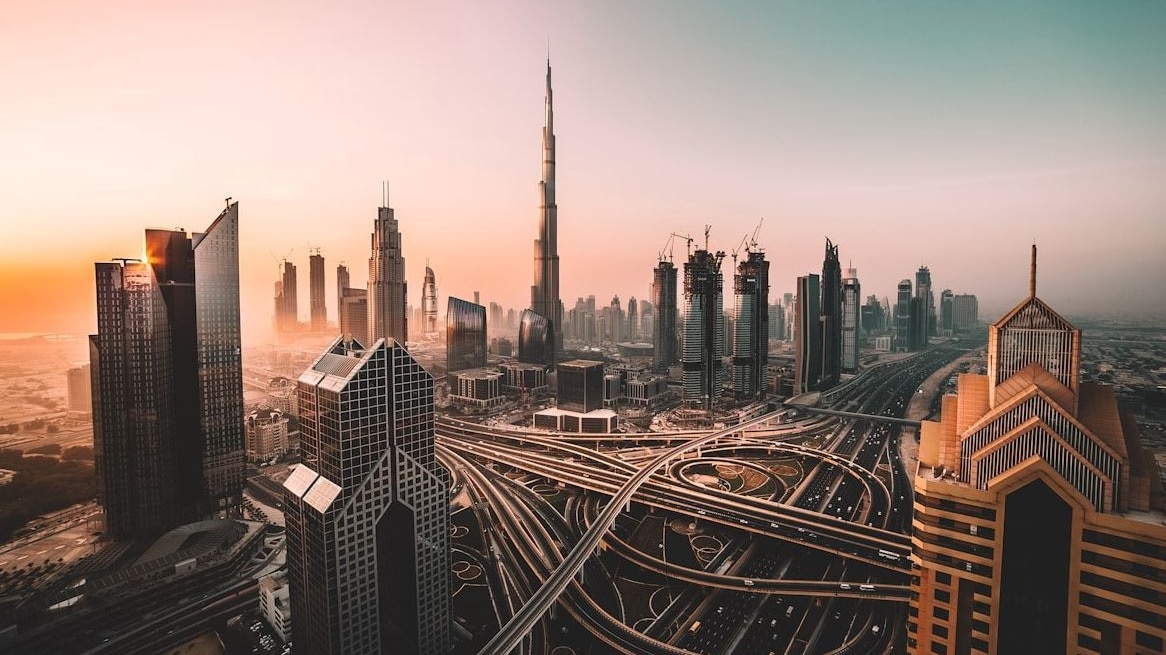
Is the surge in Dubai’s luxury real estate beginning to falter amid rising Gulf tensions?
Dubai’s rapidly expanding real estate sector is now confronted with significant challenges as rising geopolitical tensions across the Gulf region start to impact investor confidence and undermine the emirate’s reputation as a safe haven for capital.
Geopolitical Risks and Investor Sentiment
The recent resurgence in attacks targeting energy and logistics infrastructure has intensified concerns among global investors. This shift is particularly troubling given that foreign investors have been a crucial force behind Dubai’s real estate boom in recent years. Reports indicate that the escalating risks are beginning to shake the foundations of investor confidence, compelling many to reconsider their positions. Although there is currently no mass exit from the market, those in wealth management observe that decision-making processes are slowing, with potential buyers opting for a more cautious approach as they assess the evolving situation.
Market Reaction and Financial Implications
Tangible signs of stress in financial markets have begun to surface. Following the escalation of conflict in the region, equities in the UAE have experienced a noticeable decline, with real estate stocks like Emaar Properties facing particular scrutiny. Furthermore, the bond market, a primary source of funding for real estate developers, has also shown signs of apprehension. The number of new bond issues is decreasing, driven by rising risk premiums. While these trends do not necessarily imply an impending drop in property values, they do signal a notable shift in market sentiment.
Dependence on External Investment and Future Vulnerability
Dubai’s property market has surged over the last few years, mainly fueled by foreign investments, attractive tax incentives, and a wave of post-pandemic migration. Estimates suggest that property prices have increased by nearly 60% from 2022 to early 2025, marking it as one of the leading real estate markets globally. However, this growth has also heightened the market’s susceptibility to external shocks. Stakeholders emphasize that the health of the real estate sector is inherently tied to stability and investor trust, warning that any prolonged geopolitical uncertainty could undermine both elements.
Pricing Challenges in Luxury Segments
The pressures on the market are not limited to geopolitical stability; structural issues also play a role. A significant portion of recent transactions has involved off-plan properties, highlighting speculative demand. Moreover, an anticipated influx of new developments in the coming years raises questions about the market’s ability to absorb demand, especially if foreign capital begins to wane. Early indicators show that luxury villa prices are facing downward pressure, with some transactions being renegotiated for lower prices. Despite these challenges, developers report consistent activity in high-end segments, suggesting resilience in the market based on foundational demand.
The current state of Dubai’s property market reflects a transition from an unfettered upward trajectory to a more cautious and uncertain phase. Projections will largely depend on how geopolitical factors evolve in the coming months. If tensions diminish, the market could quickly regain its footing, supported by its underlying strengths and continued foreign investments. Conversely, prolonged instability—especially amid high oil prices and tightening global liquidity—could dampen demand and negatively influence pricing structures. For the moment, while the market holds steady, underlying risks are amplifying, marking a shift in how sentiment will shape future developments.