
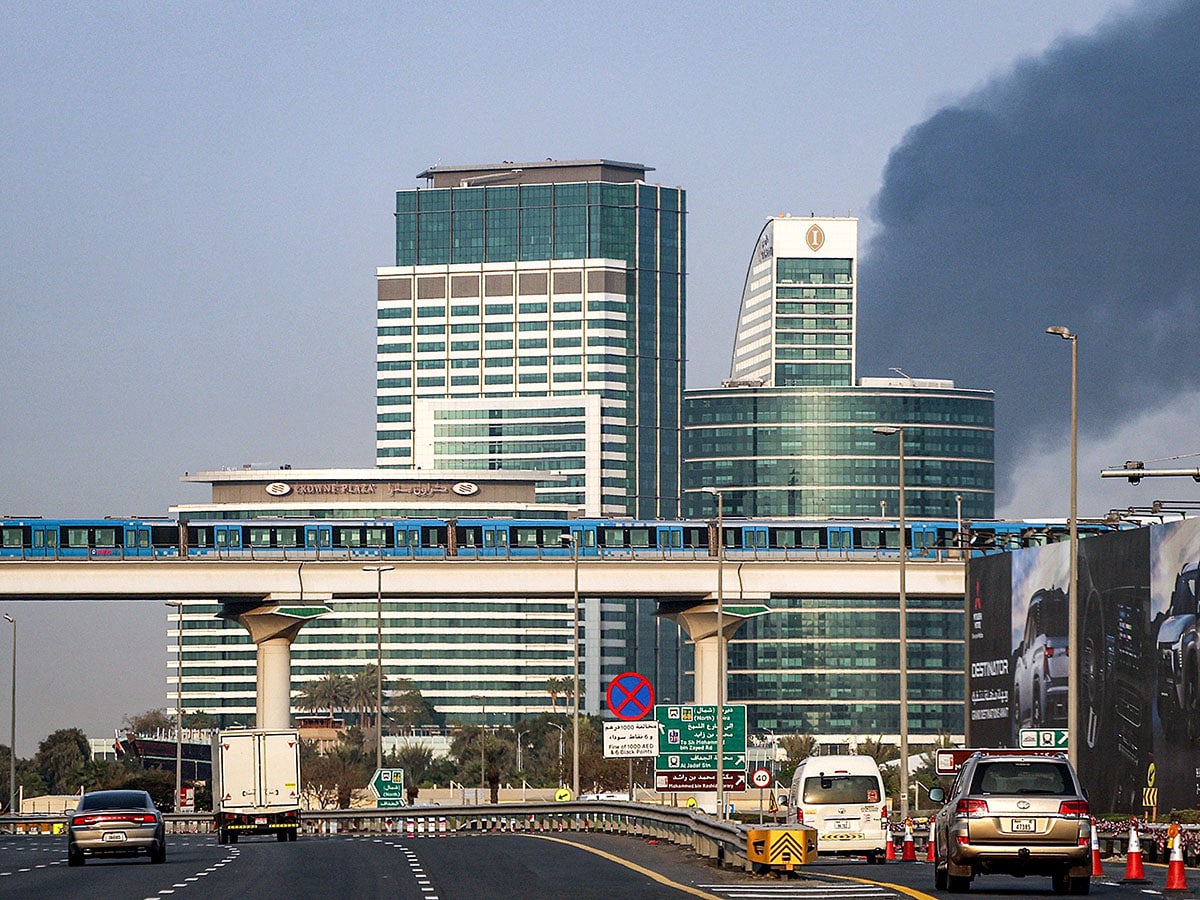
Gulf Conflict Threatens India’s Investment in Dubai Real Estate
For years, Dubai has attracted India’s elite, transforming the city into a favored second home for influential individuals. With its luxury amenities, tax advantages, and unparalleled privacy, Dubai’s real estate market has seen a remarkable influx of Indian buyers.
Investment Boom: The Rise of Indian Buyers in Dubai
High-profile personalities, including Bollywood stars and sports icons, have significantly contributed to this residential surge. Noteworthy figures such as Shah Rukh Khan and Salman Khan boast opulent residences in areas like Palm Jumeirah and The Address Downtown. Additionally, renowned projects like DAMAC Islands 2 have caught the attention of even younger stars like Alia Bhatt and Ranbir Kapoor, showcasing the city’s growing appeal. Simultaneously, the Indian middle class has capitalized on more affordable options in neighborhoods such as Jumeirah Village Circle and Dubai Silicon Oasis.
Despite the flourishing real estate activity, recent geopolitical tensions, particularly the unfolding Iran-US-Israel conflict, pose threats to this lucrative market. Before such unrest, Indian investments in Dubai’s real estate soared from approximately ₹18,000 crore in 2021 to projections of ₹85,000 crore to ₹90,000 crore by 2025. This data from ANAROCK Research highlights a nearly fivefold increase, indicating a robust demand for properties.
Survey Insights: A Closer Look at Indian Investors
According to a recent survey by Kotak Mahindra Bank, the UAE stands as the fifth most desirable migration destination for ultra-wealthy Indians, with 13% preferring it over countries like the US, UK, Canada, and Singapore. In a striking trend, Indians made up only 8% of foreign residential transactions in Dubai in 2021. By 2025, this figure is set to rise to nearly 25%, marking them as the largest group of foreign property buyers in the city.
This surge stems from Dubai’s tax-free advantages and the attractiveness of the Golden Visa, which positions the Emirates as a secure investment location in relation to the US dollar. Although the war has introduced a note of caution, interest remains strong among investors. A Knight Frank survey from the previous year revealed that around 41% of Indian high-net-worth individuals (HNWIs) plan to acquire property in the UAE in 2025, while another 21% expressed intentions to invest within the next few years.
Broader Economic Impact: Beyond Residential Investing
The implications of Dubai’s real estate boom extend beyond luxury homes. Dubai has established itself as a pivotal hub for India’s IT and financial services sectors. Major players, including Infosys and Wipro, maintain significant operations in the Emirates, enabling them to serve regional clients and act as springboards into markets in Africa and Europe. Any disturbances to Dubai’s standing as a neutral financial center could adversely influence Indian corporate performance.
Yet, with the emergence of geopolitical dangers, including targeted threats to Dubai’s financial sector, concerns over the city’s safety and stability are rising. The recent reports of missile threats have shaken the previously invulnerable image of Dubai as a secure haven for investments.
As Dubai navigates these tumultuous waters, the future of its real estate market remains uncertain, making it crucial for investors to stay informed about both economic opportunities and potential risks.