
UK Tax Bills May Catch Brits Leaving Dubai Off Guard
British expats returning to the UK from the Middle East are facing unexpected financial challenges due to heightened security concerns stemming from the war in Iran. While many are relieved to be heading home, they need to be aware of potential tax implications that could significantly affect their financial status.
The British Expat Community in the Gulf
The British expatriate community in the UAE is substantial, with estimates ranging from 130,000 to 240,000 British nationals residing in major cities like Dubai and Abu Dhabi. Additionally, around 20,000 to 22,000 Britons live and work in Qatar, and between 4,000 and 8,000 are in Kuwait. The appealing lifestyle, marked by year-round sunshine, is complemented by a notable tax advantage; residents benefit from no personal income tax, making it an attractive destination for many.
However, the recent conflict in the Middle East has brought about significant turmoil. Since the U.S.-Israeli actions against Iran began in late February, retaliation has targeted key locations. High-profile sites such as the Burj Al Arab hotel and Dubai’s International Financial Centre have been hit by Iranian drones, leading to widespread flight cancellations. Dubai’s airport, one of the busiest in the world, faced temporary closure following a drone attack on a fuel tank, heightening concerns for travelers.
Tax Implications of Returning Early
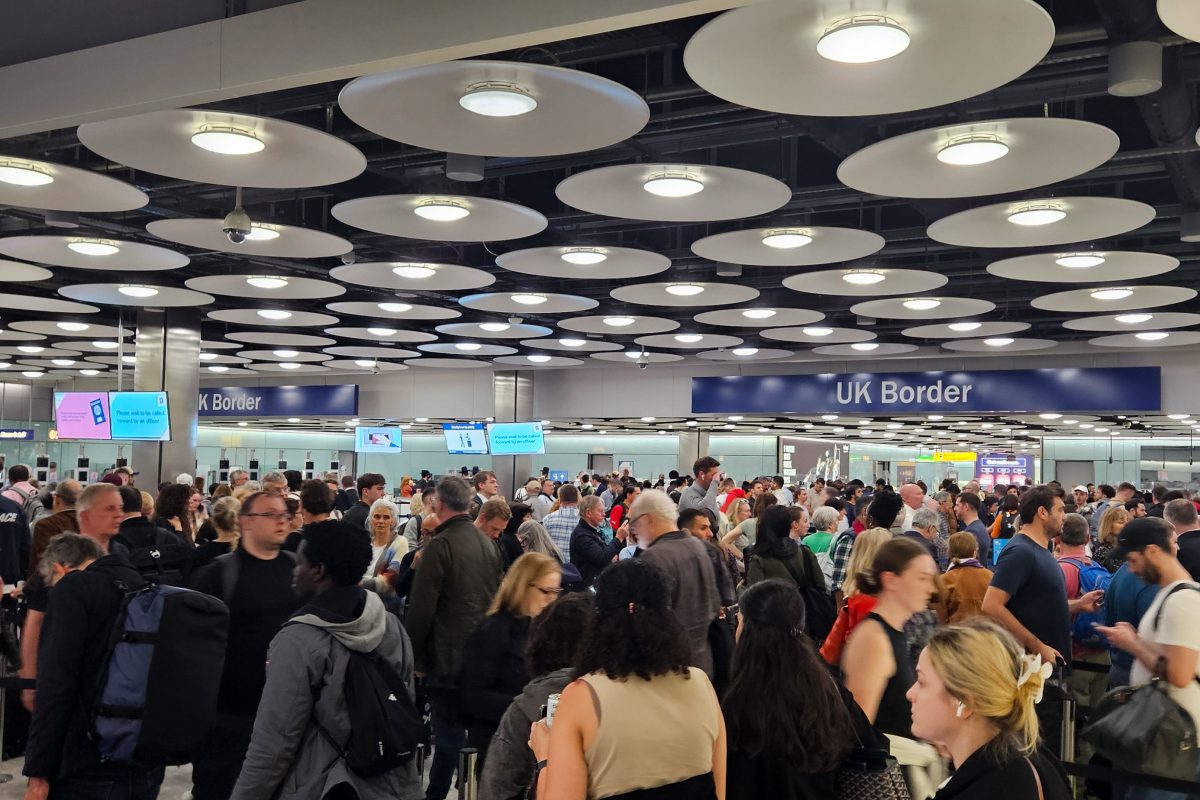
For many British expats returning home, the comfort of arriving back at Heathrow could quickly turn into anxiety due to potential capital gains tax (CGT) bills. According to accountancy firm Price Bailey, returning to the UK within five years of leaving can activate temporary non-residency rules, which can “revive” taxes on any assets sold while living abroad.
Nikita Cooper, a director at Price Bailey, noted that expats who sold UK assets while tax-resident in Dubai could face up to 24% tax if they return to the UK too soon. This situation can result in substantial tax liabilities—potentially running into the tens or hundreds of thousands of pounds. Even individuals who were planning to emigrate are now reconsidering their options due to these unexpected tax burdens.
Health versus Wealth
The urgent situation leaves many Britons grappling with a “health versus wealth” dilemma. Although provisions exist for exceptional circumstances, they are limited, leaving countless individuals uncertain. Under current HMRC guidelines, the tax authority can overlook up to 60 days spent in the UK if a person is unable to leave due to conflict. However, the UK Foreign Office has cautioned that only essential travel is advisable in the UAE.
This precarious situation creates a legal grey area, particularly for those fleeing from missile attacks or drone strikes. As the ongoing conflict drags on, many who are splitting their time between the UK and Dubai may not have anticipated the drastic changes affecting their residency status. With the UK tax year closing in, individuals might unknowingly find themselves classified as UK tax residents, subjecting their global income to scrutiny—not just their UK earnings.
In light of these developments, Britons coming back from the Gulf should seek professional tax advice to navigate this complex and potentially costly landscape, especially as HMRC remains vigilant in its efforts to close the tax gap. The situation exemplifies just how intertwined global events can impact personal finances, leaving countless expats reevaluating their existing commitments and strategies.