
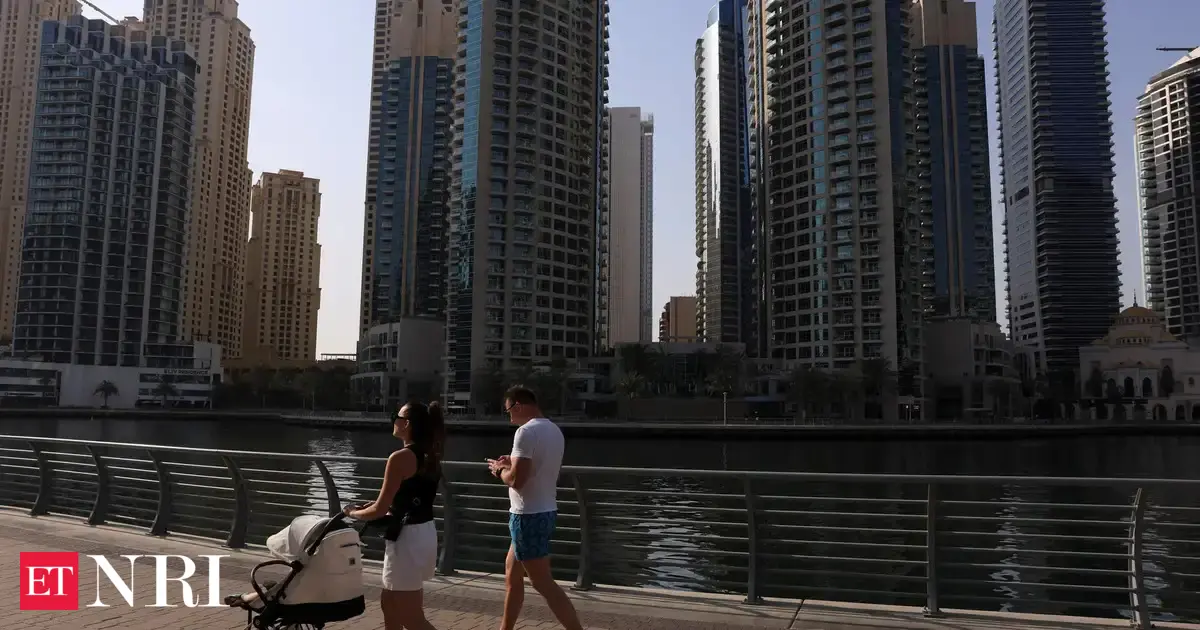
UAE Assures Safety in Dubai Amidst Iran Tensions
Dubai is working tirelessly to maintain its reputation as a secure destination amid the ongoing tensions with Iran. Influencers and government representatives are united in promoting messages of safety and stability, even as authorities crack down on anyone who shares videos of missile strikes. The United Arab Emirates (UAE) has long prided itself on being one of the safest nations, but the current situation poses a significant challenge to that image.
The Impact of Iranian Hostility
The conflict has intensified with Iran launching over 1,800 missiles and drones toward the Emirates, making it a primary target for Tehran. Although the UAE’s air defense systems successfully intercept most of these threats, the sheer volume of attacks has unsettled the perception of safety in a region often described as a bastion of security. The public and visitors alike are grappling with a new reality where tranquillity is threatened by external aggression.
In response, local influencers have taken to social media to showcase their unwavering support for the UAE government. Ebraheem Alsamadi, a reality TV star known for “Dubai Bling,” is among those publicly affirming their commitment to the UAE despite government advisories from foreign nations, reaffirming his belief that the UAE remains “the safest country in the world.” Such endorsements aim to quell anxieties and uphold the notion that life remains stable within the nation.
The Role of Influencers and Messaging
The urgency to shield Dubai’s image has spurred authorities into action, with social media campaigns emphasizing the city’s resilience. An emotional anthem proclaiming “Dubai is safe, will always be safe” was shared on the official Dubai Instagram account, reaching millions of followers. Ryan Bohl, a geopolitical analyst, notes that officials are facing a challenge of re-strategizing their approach to safety amidst these glaring threats while maintaining the city’s identity.
With approximately 90% of the UAE’s populace being expatriates, attracting and retaining foreign talent is critical to diversifying the economy. The tourism sector, particularly sensitive to security issues, has already begun showing signs of decline as fears mount among potential visitors. Bohl points out that tourists vary in their tolerance for risk, making it imperative for Dubai to craft a narrative of normalcy even in challenging times.
Efforts to Control the Narrative
As the situation evolves, Dubai authorities have taken proactive measures to minimize the fallout. In the early days of the crisis, UAE leadership made public appearances at key tourist spots, attempting to project an image of normalcy. However, many popular venues, including the iconic Dubai Mall, have reported a noticeable decrease in foot traffic, as some tourists have chosen to leave the city.
To prevent any further reputational damage, local security forces have warned against sharing rumors or images that depict security vulnerabilities. This approach, echoing similar strategies in neighboring Gulf nations, includes the arrest of individuals disseminating misleading content about the conflict. Critics argue that this heavy-handed response could backfire, particularly with audiences from more democratic societies accustomed to freedom of expression.
In these uncertain times, maintaining investor confidence is paramount for Dubai. With significant sectors such as technology, infrastructure, and real estate relying heavily on foreign investments, it becomes crucial for the UAE to demonstrate ongoing safety and stability. Failure to convince investors could derail the country’s diversification efforts away from oil dependency, posing long-term challenges to its economic landscape.