
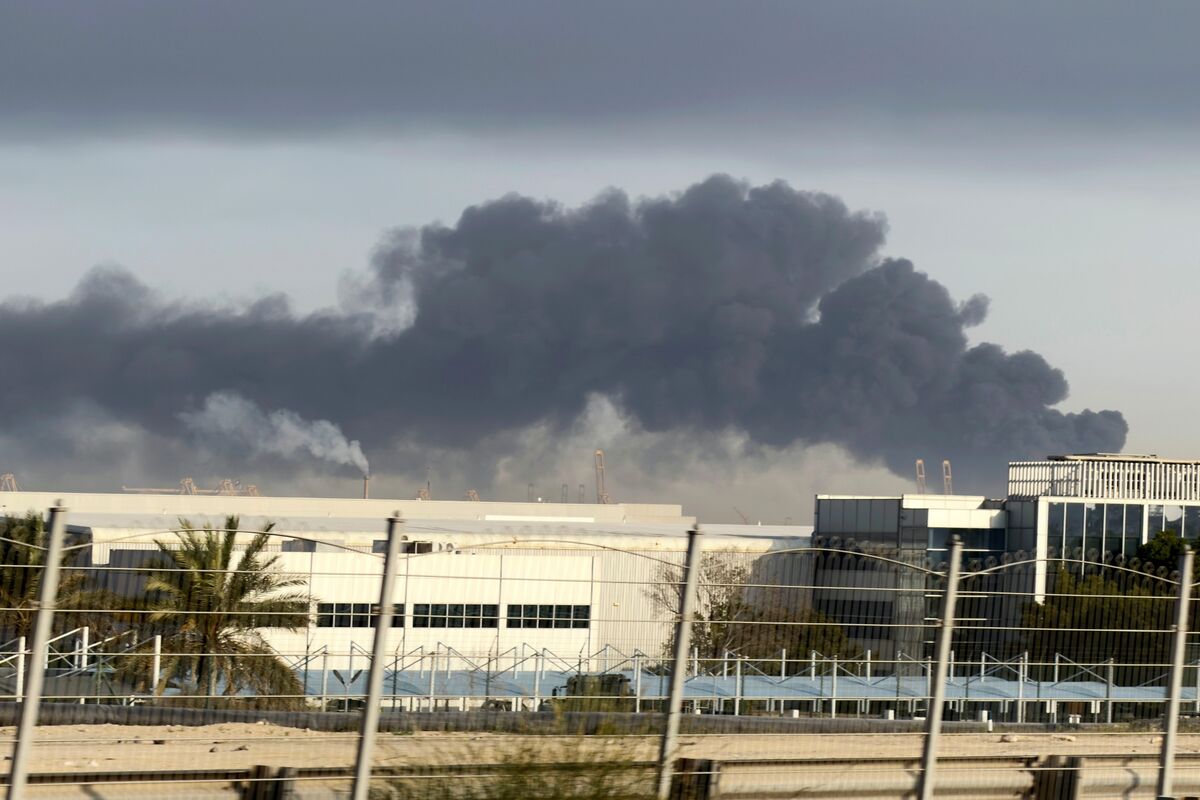
Iran Conflict Shadows Gulf Aspirations, Trump’s Negotiations
In recent discussions surrounding international investment in the United States, a consensus emerges: substantial financial commitments from global investors come with specific expectations. Economists emphasize a notable condition tied to these financial pledges—essentially urging restraint and stability in geopolitical hotspots, particularly in the Middle East.
Investment and Geopolitical Stability
Many investors view the United States as a safe haven, not just for capital, but as a guarantor of relative global stability. They expect that their investments will not only yield impressive returns but also that the political atmosphere remains conducive to facilitating business operations. When economic powerhouses commit to pouring resources into the American market, a mutual understanding typically arises: their financial influx is contingent upon a stable geopolitical environment.
This ‘quid-pro-quo’ arrangement highlights the expectations that come with significant investment commitments. The message seems clear: investors are seeking assurances that key regions, particularly the Middle East, remain stable and conflict-free. The repercussions of instability in these areas can extend far beyond immediate financial impacts, jeopardizing global markets and investor confidence alike.
The Role of Economic Policies
U.S. policymakers play a crucial role in ensuring that the economy remains attractive to foreign investors. While the nation is known for its robust economic framework, it also faces an evolving landscape shaped by political decisions. Protective economic policies, coupled with international diplomacy, are vital tools that can either foster or hinder investment.
To maintain the influx of foreign capital, U.S. leaders must navigate delicate geopolitical dynamics. The ability to mitigate tensions within the Middle East and promote diplomatic relationships acts as a cornerstone for reassuring investors. Economic initiatives that prioritize stability not only serve domestic interests but also create a more inviting environment for foreign investors.
Future Considerations
As we look toward the future, the interplay between global investment and geopolitical situations will become increasingly intricate. Investors are likely to weigh their options against the backdrop of international relations. For the United States to remain a frontrunner, it must continue to cultivate an environment that encourages foreign investment while simultaneously managing potential risks in volatile regions.
Moreover, the responsibility also lies with global investors to understand the implications of their financial strategies. By recognizing the interconnectedness of investment decisions and geopolitical climates, they can make informed choices that align with both immediate financial goals and long-term stability.
In conclusion, the unspoken agreement surrounding investment in the U.S.—to keep international tensions at bay—sheds light on the critical relationship between economics and global politics. This balance remains essential for both economic growth and international harmony. As events unfold in the Middle East and beyond, the dialogue surrounding investment strategies, risk management, and geopolitical considerations will undoubtedly evolve, spotlighting the need for continued collaboration and understanding on all fronts.