
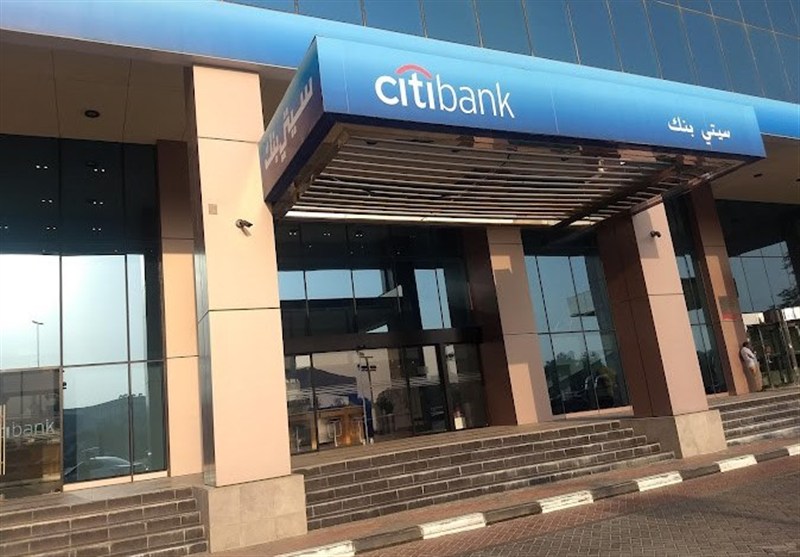
Drone Attacks Target Citibank Locations in Dubai, Manama
In light of the recent security escalations stemming from the US-Israeli conflict with Iran, several financial centers in the Persian Gulf have been targeted by unverified drone strikes. One notable target was the offices of Citigroup, a prominent player in the global finance landscape and a key part of the US dollar framework. This situation has raised significant concerns about the stability and security of vital financial institutions in the region.
Attacks in Dubai’s Financial District
Dubai’s financial district serves as a critical hub for international banking and investment, housing numerous global financial institutions, including Citibank. Following the drone attacks, many international banks opted to evacuate their staff from affected buildings, transitioning some operations to remote work. Given the substantial security threats, Citibank’s local branches announced a temporary halt to various in-person services throughout the UAE.
Incidents in Bahrain
Simultaneously, Manama, the capital of Bahrain, also faced drone and missile threats. Bahrain is a crucial site for the US military and economic interests in the region, notably hosting the United States Fifth Fleet. The dual threats not only jeopardize the safety of financial operations but signal a broader regional instability that could impact international relations and economic collaboration.
Citibank’s Global Financial Role
Citibank, a branch of Citigroup, stands as one of the largest banks worldwide, with operations in over 100 nations. Its presence and influence extend beyond traditional banking, as it plays a vital role in facilitating dollar transactions in international trade, funding global energy initiatives, and providing financial services to multinational corporations. In the Gulf region, Citibank’s branches in Dubai and Bahrain manage critical dollar transactions for oil firms and sovereign wealth funds, proving essential for sustaining economic activities in these sectors.
Impact on Energy Trade and Concerns Ahead
In the realm of energy financing, Citibank is notable for providing a spectrum of services, including issuing letters of credit and facilitating oil contract transactions. The recent attacks on its offices could signify not just symbolic actions, but a troubling shift towards aiming at Western financial and economic infrastructures. Analysts worry that if this trend continues, it could escalate into a broader geopolitical struggle, with financial centers in the Persian Gulf becoming focal points of conflict.
Economic analysts have cautioned that even if physical damage remains minimal, assaults on significant financial institutions can lead to heightened investment risks and increased insurance premiums. Furthermore, disruptions in multinational company operations may become commonplace, fueling uncertainties in the already volatile markets. The persistent threat to the financial sector is prompting discussions about the emerging geopolitical dimensions in the ongoing crisis, as stakeholders assess the long-term implications of these troubling developments.