
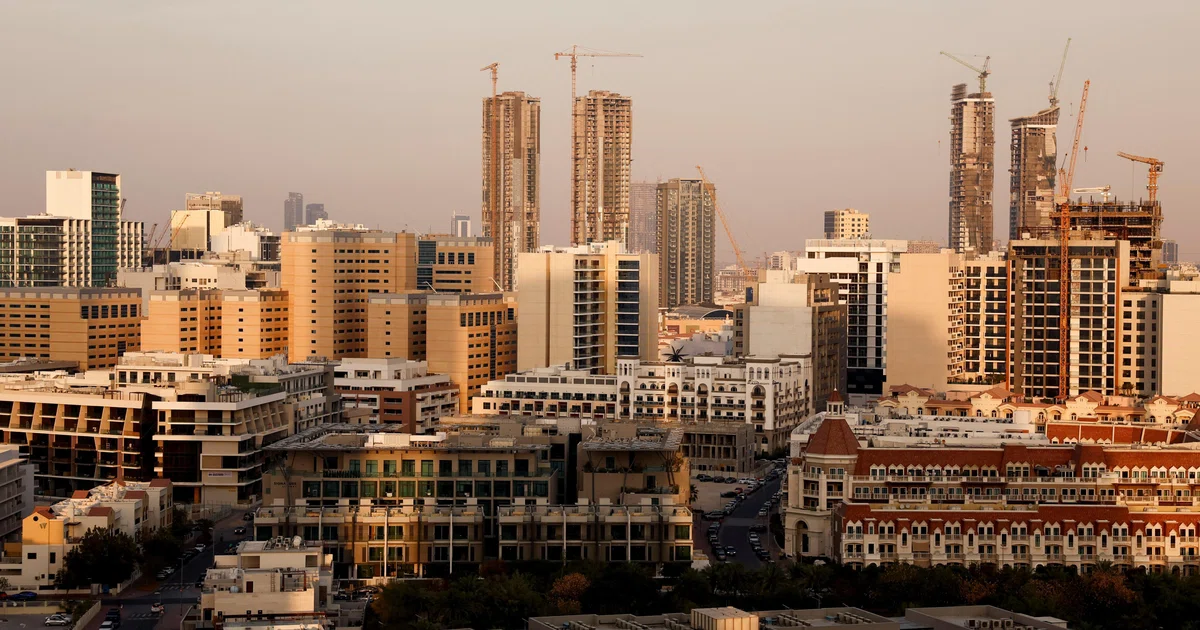
Citi, StanChart exit Dubai; HSBC shuts Qatar branches amid rising concerns
As tensions escalate in the Middle East, financial institutions operating in Dubai are taking precautionary measures. Recent threats from Iran to target Gulf banks associated with the United States and Israel have led banks like Citigroup and Standard Chartered to evacuate their Dubai offices and transition to remote work for their employees.
Financial Institutions Take Precautionary Measures
On March 11, 2026, both Citigroup and Standard Chartered informed their employees in Dubai to work from home amid rising security concerns. Citigroup’s staff, particularly those in the Dubai International Financial Centre (DIFC) and Oud Metha neighborhood, received a memo urging them to vacate their offices until further notice. A spokesperson emphasized the bank’s commitment to employee safety and highlighted ongoing contingency plans for business continuity.
Standard Chartered, which has a significant presence in the UAE, took similar steps, although they refrained from commenting further on the matter. With Dubai becoming an essential financial hub, the stability of operations in the region is under scrutiny. HSBC also joined the fray by closing all its branches in Qatar to safeguard its employees and customers.
Iran’s Threats and Regional Instability
The operational changes in these banks stemmed from a declaration by a spokesperson from Iran’s Khatam al-Anbiya military command. The threat entails targeting financial and economic interests of the U.S. and Israel in response to an attack on one of Iran’s banks, which has consequently raised alarm bells among foreign businesses operating in the region.
An Iranian administrative building linked to Bank Sepah, one of the country’s largest banks, was reportedly targeted in the attack that precipitated these threats. This has led many companies to instruct their employees to work from home, as tensions worsen and fears of further military action loom.
Impact on Dubai as a Financial Hub
These developments challenge Dubai’s standing as a safe haven for international businesses. The ongoing conflict has raised concerns about capital flight, layoffs, and potential relocations of firms seeking more stable environments. The DIFC, established in 2004 to attract financial institutions, has seen remarkable growth, hosting over 290 banks and numerous investment firms by the end of 2025. However, the recent unrest has put this burgeoning status at risk.
The impacts on firms like Standard Chartered, which derives nearly 6% of its income from the UAE, are significant. Senior executives, including the CEO of their investment bank, are based in Dubai, making their operations particularly vulnerable to the evolving regional crisis.
Corporate Confidence in the Face of Adversity
Despite the precarious situation, HSBC’s CEO expressed unwavering confidence in the Gulf Cooperation Council (GCC) region’s economic fundamentals. The bank emphasized that the safety of its employees remains a priority, reflecting an approach of resilience amid crisis. In a broader sense, firms like Goldman Sachs have also instructed their employees in the region to adhere to local safety guidelines and work from alternate locations.
As the situation unfolds, the response from these financial institutions highlights a significant shift in how global banks assess their risk exposure in volatile environments. The decisions made in the coming weeks will be pivotal in shaping Dubai’s financial landscape and its ability to maintain its reputation as a prominent international business center.