
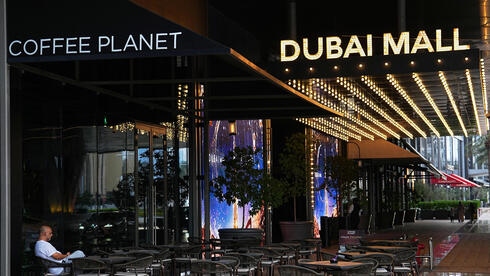
The conflict that threatens the Emirati framework.
The ongoing conflict in the Gulf region is exposing significant vulnerabilities within the economic framework established by the UAE over many years. The Emirati economic model, which has thrived on the notion of being a “safe haven” in a turbulent area, is now confronting critical challenges that threaten its sustainability.
Economic Connections with Iran
Historically, the UAE, particularly Dubai, has served as a crucial trade partner for Iran. Operating under the guise of normal business transactions, Dubai has been Iran’s primary channel for circumventing international sanctions. In the fiscal year that closed on March 20, 2025, bilateral non-oil trade reached a remarkable $29.1 billion. Reports indicate that Iran exported $7.2 billion in goods to the UAE, whereas the Emirates sent merchandise worth $21.9 billion back to Iran. These numbers represent more than just economic activities; they symbolize a vital commercial lifeline through which Iran secures technology and essential consumer goods.
Now, as the possibility of asset freezes looms due to escalating tensions, the future of this trade relationship is shrouded in uncertainty. The extent of Iranian assets in the UAE is estimated to reach billions, spread across various sectors. Three primary layers define these assets: the shadow economy characterized by multiple shell companies, sizable investments in real estate in Dubai, and liquid capital within the banking sector, which enables Iran to conduct international transactions. Freezing these assets would not only impact Iran but could also trigger significant financial shocks in Emirati banks.
Market Reactions and Foreign Investor Concerns
Capital markets are typically sensitive to emerging uncertainties, and the UAE has experienced sharp reactions in recent days. Authorities in Abu Dhabi and Dubai took the unprecedented step of suspending trading for two days in an effort to prevent a potential market collapse. However, once trading resumed, the stark reality became apparent. The Dubai Financial Market index plummeted by 4.7% on the first trading day, marking its most substantial decline since May 2022. By the week’s end, the index had lost an alarming 9% of its value.
The downturn heavily impacted reputable companies that are considered cornerstones of the Emirati economy, including prominent names like Emaar and Etisalat, which faced intense selling pressure. Foreign investors who have historically supported market growth began to factor in a heightened geopolitical risk premium. The authorities’ decision to lower the daily trading limit from 10% to just 5% underscores the considerable anxiety regarding potential capital flight, raising further questions about the sustainability of foreign direct investment.
Investment Urgency Amidst Political Risks
The UAE’s strong reputation for regulatory and security stability has allowed it to attract multinational companies and encourage investment opportunities such as the Golden Visa program. However, with the risk premium in limbo, crucial infrastructure projects and future investments—key components for long-term growth—may be diverted toward more stable environments. While the immediate market losses are significant, the long-term impacts on UAE’s international standing could be profound.
In addition to market fluctuations, the ongoing maritime tensions in the Strait of Hormuz are compounding the economic strain. Although the port operator DP World assures that Jebel Ali Port is functioning normally, the potential for prolonged disruption looms over the entire region’s profitability. The Jebel Ali Port processes an average of $530 million daily in non-oil trade, showing how even minor disruptions can cause extensive ripple effects on regional supply chains.
The conflict’s onset has made it abundantly clear that the UAE can no longer compartmentalize geopolitics from its economic landscape. The delicate balancing act of being a Western ally, a commercial conduit to Iran, a global tourist destination, and an investment haven appears to be nearing its breaking point. Without immediate action to restore a sense of security for investors and travelers, the financial repercussions could escalate, potentially transforming global perceptions of the UAE for many years to come.